Blog
A deep-dive into a variety of pension topics to help you understand and learn more about your pension and the Scheme.

 I'm new to the Scheme
10 things to know about pensions
Nominations for death benefits
Saving more
Pension tax limits
Transferring in or out
The State Pension
Pension scams
Divorce and my pension
Guidance and advice
I'm still working
Joining and auto-enrolment
I'm new to the Scheme
Benefits of my membership
My payments
Saving more
My circumstances have changed
Severance and redundancy
Leaving the Scheme and opting-out
I'm planning to take my pension
How much I'll need for retirement
When to retire
Staying in work
Ways to take my pension
Making the right decision
Applying for my pension
Transferring my pension
Guidance and advice
Watch out for pension scams
I'm already taking my pension
My pension payments and P60s
Annual pension increase
Updating my bank details
My pension when I die
Working after I take my pension
The State Pension
Useful contacts
Penfriend
Saving more with BRASS or AVC Extra
I'm still working
Joining and auto-enrolment
I'm new to the Scheme
How the IWDC Section works
Benefits of my membership
My payments
Saving more
My circumstances have changed
Severance and redundancy
Leaving the Scheme and opting out
Managing my investments
Investing: the basics I need to know
My fund choices
Fund risk ratings
Fund prices and performance
My Target Retirement Age
I'm planning to take my IWDC pot
Help and Support
Retirement Budgeting Calculator
Read as You Need guides
Video library
Glossary
FAQs
DB member forms
IWDC member forms
Get in touch
Reporting the death of an RPS member
How to give us feedback or make a complaint
My communication preferences
Financial wellness support
Pension webinars
News and views
About the Scheme
Investments
I'm new to the Scheme
10 things to know about pensions
Nominations for death benefits
Saving more
Pension tax limits
Transferring in or out
The State Pension
Pension scams
Divorce and my pension
Guidance and advice
I'm still working
Joining and auto-enrolment
I'm new to the Scheme
Benefits of my membership
My payments
Saving more
My circumstances have changed
Severance and redundancy
Leaving the Scheme and opting-out
I'm planning to take my pension
How much I'll need for retirement
When to retire
Staying in work
Ways to take my pension
Making the right decision
Applying for my pension
Transferring my pension
Guidance and advice
Watch out for pension scams
I'm already taking my pension
My pension payments and P60s
Annual pension increase
Updating my bank details
My pension when I die
Working after I take my pension
The State Pension
Useful contacts
Penfriend
Saving more with BRASS or AVC Extra
I'm still working
Joining and auto-enrolment
I'm new to the Scheme
How the IWDC Section works
Benefits of my membership
My payments
Saving more
My circumstances have changed
Severance and redundancy
Leaving the Scheme and opting out
Managing my investments
Investing: the basics I need to know
My fund choices
Fund risk ratings
Fund prices and performance
My Target Retirement Age
I'm planning to take my IWDC pot
Help and Support
Retirement Budgeting Calculator
Read as You Need guides
Video library
Glossary
FAQs
DB member forms
IWDC member forms
Get in touch
Reporting the death of an RPS member
How to give us feedback or make a complaint
My communication preferences
Financial wellness support
Pension webinars
News and views
About the Scheme
Investments
Our blogs will give you information, tips, insights and guidance to help you get to know your pension and support you on your journey to retirement.


24/2/2026
Editorial

<p>Whilst we can’t tell you which option is best for your individual circumstances, we can explain how Additional Voluntary Contributions (AVCs) work in the Railways Pension Scheme, and how these differ from Self-Invested Personal Pensions (SIPPs) and Individual Savings Accounts (ISAs).</p><p>These 3 arrangements offer very different ways to save and invest, with different tax rules and levels of access.</p><h5>Additional Voluntary Contributions (AVCs)</h5><p>AVCs are flexible extra pension savings you can make directly from your pay before tax is taken, on top of the normal pension contributions.<br></p><p>In the RPS there are 2 AVC arrangements: BRASS and AVC Extra. <br></p><p><strong>BRASS</strong></p><p>BRASS is the main arrangement for all active Defined Benefit members and is a great way to boost your retirement income. <br></p><p>It can be particularly useful if you receive additional earnings that don’t count towards your main Scheme pension – for example, overtime or bonus payments. <br></p><p>You can pay as little as £2 per week or £10 per month (if you are paid monthly) on top of your usual pension contributions.</p><p><strong>AVC Extra</strong></p><p>AVC Extra is available to members who have already reached the maximum they can pay into BRASS and still want to save more. <br></p><p>You can choose how much you want to pay into AVC Extra, but you should be mindful of tax limits.</p><p><strong>Key features of AVCs:</strong></p><ul type="disc"><li data-list="1" data-level="1">Flexible payments - you don’t need to save a fixed amount every month. If expenses go up, you can reduce your contributions, and you can increase them again when things are easier.</li><li data-list="1" data-level="1">Good for variable earning - particularly useful for topping up retirement savings from overtime, bonus payments or other non‑pensionable pay.</li><li data-list="1" data-level="1">Tax relief on contributions - you’ll get government tax relief on anything you put in, up to your annual allowance - currently £40,000 for most people. If you’re a high earner with an income of more than £200,000 a year, your annual allowance might gradually reduce to as low as £4,000 in the current tax year.</li><li data-list="1" data-level="1">Locked until retirement - AVC savings normally can’t be accessed until you reach your Normal Pension Age – currently 55, rising to 57 in 2028.</li><li data-list="1" data-level="1">Limited investment choice – you choose from a pre-selected range of funds supplied by the Scheme’s investment manager, Railpen.</li></ul><p>More information on BRASS and AVC Extra is available in <a href="https://www.railwayspensions.co.uk/defined-benefit-members/saving-more-BRASS-AVC-Extra" data-sf-ec-immutable="">the saving more area of this website</a>. </p><p> </p><h5>Self-Invested Personal Pension (SIPP)</h5><p>A SIPP is a personal pension you set up and manage yourself, separate from your employer. <br></p><p>You can pay money in regularly or in lump sums, with the aim of growing your pension pot over the long term.<br></p><p>You can choose to manage your own investments or use a financial adviser (usually for a fee).</p><p><strong>Key features of SIPPs:</strong></p><ul><li>Tax relief – you receive tax relief on your contributions at your income tax rate (20%, 40% or 45%)<ins cite="mailto:Gary%20Collinson" datetime="2026-02-24T14:45">. </ins>Your contributions taken from your pay after tax, but your provider then claims basic-rate tax relief from the government and adds it to your pension pot. </li><li>Wider investment choice - you can choose from a much broader range of investments than you can with workplace AVCs</li><li>You can access the money in your SIPP from the age of 55 (this is due to rise to 57 from 2028). You can take your pension pot either as a lump sum, draw it down gradually or use it to buy an annuity – which will provide you with a regular income.</li><li>With a SIPP, you have full control over your account - you choose the provider, how much to pay in, and where to invest. You also have the flexibility to transfer to another provider, or to choose when to take them.<br></li></ul><p>You can <a href="https://www.moneysavingexpert.com/pensions/cheap-sipps/" target="_blank" data-sf-ec-immutable="" data-sf-marked="">understand more about SIPPs in this article.</a></p><p> </p><h5>Individual Savings Account (ISA)</h5><p>An ISA is a normal savings or investment account that you can open and pay into. <br></p><p>You pay into it from your after‑tax income, but all the growth, dividends and interest are tax‑free<br></p><p>There are different types of ISA accounts:<br></p><ul><li>Cash ISA</li><li>Stocks & Shares ISA</li><li>Lifetime ISA (for first home or retirement)</li><li>Innovative Finance ISA<br></li></ul><p>These are available through banks, building societies and other financial providers.</p><p><strong>Key features of ISAs:</strong></p><ul><li>Tax-free growth - you don’t pay any tax on returns and what you receive is paid to you free of tax</li><li>No tax relief on contributions - you save from your take‑home pay</li><li>Flexible access – you can withdraw your money at any time with no penalties (except specific rules for Lifetime ISAs).</li><li>Annual limit - you can put in up to £20,000 per tax year across all your ISAs combined.<br></li></ul><p>You can <a href="https://www.which.co.uk/money/savings-and-isas/isas/cash-isas/what-is-an-isa-aMsB46O009W4" target="_blank" data-sf-ec-immutable="">find out more about the different types of ISAs and how to manage an ISA account in this blog.</a> <br></p>
We know many members ask this question when thinking about how to save more for the future.

30/1/2026
Editorial
<h4>Understanding DB estimates</h4><p>Your estimate is a personalised forecast of what you might get from your Scheme pension, based on how long you’ve been paying into it, along with the rules of your Section. </p><p>Because DB pensions aren’t individual ‘pots’, the estimate shows what your annual pension (and any lump sum, if you choose to take one) is likely to be at the retirement date you choose.</p><p>Your estimate takes into account:</p><ul><li><strong>Your pensionable service</strong><br>This is the length of time you’ve been an active member of your section. The more pensionable service you have, the more pension you’ll be likely to receive. This can also include extra pension service you have brought in from another pension scheme, if your section accepts transfers.<br><br></li><li><strong>Your pensionable pay or Career Average Revalued Earnings (CARE) revaluations</strong><p>For final salary Sections, your pension benefits are usually calculated using your pensionable pay from the 12 months before your retirement. <br></p><p>For CARE Sections, your pension is using your average pensionable pay across the length of your membership. This is then adjusted (revalued) annually to keep pace with inflation or your Section rules.<br></p></li><li><strong>Any early or late retirement factors that may apply</strong><br>These are adjustments made if you take your pension before or after your Normal Retirement Date (NRD). Early retirement normally reduces your benefits as they’re paid for longer, while late retirement may increase them as they’re expected to be paid for less time.<br><br></li><li><strong>How much you decide to take as a lump sum</strong><br><a id="_anchor_4" href="https://railpen.sharepoint.com/sites/CustomerExperienceFunction/ProjectsActive/RAIL/RPS/Web/RPS%20website%20-%202024%20onwards/Content/4%20-%20Knowledge%20hub/2%20-%20News%20and%20views/Blogs/2026/Understanding%20DB%20estimates%20and%20how%20to%20request%20one.docx#_msocom_4" name="_msoanchor_4" data-sf-ec-immutable=""></a>You usually have the option to exchange part of your annual pension for a tax-free cash lump sum at retirement if you want to. If you pay into the BRASS Additional Voluntary Contribution (AVC) arrangement, then those savings must be taken as part of your lump sum. <br><br>However, limits apply on how much tax-free lump sum you can take, so occasionally, your excess BRASS funds might be converted to pension.<a id="_anchor_6" href="https://railpen.sharepoint.com/sites/CustomerExperienceFunction/ProjectsActive/RAIL/RPS/Web/RPS%20website%20-%202024%20onwards/Content/4%20-%20Knowledge%20hub/2%20-%20News%20and%20views/Blogs/2026/Understanding%20DB%20estimates%20and%20how%20to%20request%20one.docx#_msocom_6" name="_msoanchor_6" data-sf-ec-immutable=""></a>You can find out more about this in our <a href="https://cdn3.railpen.com/mp-sitefinity-prod/docs/default-source/rayn/guides-for-all-members/lump-sum-allowances.pdf?sfvrsn=3fb0251a_2" data-sf-ec-immutable="">Read as You Need Guide on Lump Sum Allowances</a>.<br></li></ul><p>Your estimate helps you see a realistic projection of the benefits you could receive, so it’s a useful tool to have, whether you’re planning ahead, comparing options, or checking the impact of retiring earlier or later.</p><p>You can find more information on how your pension benefits are calculated for your specific Section in your Member Guide. You can find this in the ‘My Library’ area of your <a href="https://www.railwayspensions.co.uk/login" data-sf-ec-immutable="">myRPS account</a>.<br></p><h4>Request an estimate online</h4><p>The easiest way to request an estimate and details of your options is by <a href="https://www.railwayspensions.co.uk/register" data-sf-ec-immutable="">logging into your myRPS account</a>. </p><p>You can request an estimate directly from:</p><ul><li>The myRPS dashboard, or</li><li>The myRPS menu, by selecting ‘My Pension’ and then 'Request an estimate’.</li></ul><p>When you do it online, you can request as many estimates as you need, whenever you need them, free of charge.<br></p><h4>Choosing your estimate type and retirement benefits</h4><p>You’ll be asked to choose the type of estimate you want from the range of options available to you.</p><p>You can select ‘Read more’ to find out more about each estimate type. The options shown are based on your scheme and your member status.</p><p>You’ll then be asked to set your chosen retirement date or your chosen calculation date. This will either default to today’s date or your Normal Retirement Date (NRD), depending on the estimate type you selected.</p><p>Once you’ve set your retirement or calculation date, you’ll see all of benefit options available to you and can select ‘read more’ to learn what each one means. </p><p>You can also find out more about the different ways to take your pension in your Member Guide, which you’ll find in the ‘My Library’ area of your <a href="https://www.railwayspensions.co.uk/login" data-sf-ec-immutable="">myRPS account</a>.<br></p><h4>How long it takes</h4><p>Once you’ve hit submit, it’ll usually take less than an hour to generate your online estimate.</p><p>Your estimate will be sent to the Inbox area of your myRPS account as a message with a PDF attachment. You can also view it via the ‘Statements and Estimates’ page, under the My Pension area of your myRPS account.</p><p>If you haven’t received anything after 24 hours, please contact the Helpline for further support.<br></p><h4>Request an estimate by phone</h4><p>Alternatively, you can ask for an estimate by calling the Helpline on 0800 012 1117. </p><p>Charges may apply if you request an estimate from the Helpline more than once in a year.<br></p><h4>Working out if your pension adds up</h4><p><a href="https://www.railwayspensions.co.uk/defined-benefit-members/Im-planning-to-take-my-pension/making-the-right-decision" data-sf-ec-immutable="">Visit the making the right decision page</a> to find out more and learn what actions you can take if you're not on track to be able to afford the retirement you want. </p><p>Please keep in mind that, the <a href="https://www.railwayspensions.co.uk/defined-benefit-members/Im-planning-to-take-my-pension/how-much-Ill-need" data-sf-ec-immutable="">Retirement Living Standards</a> and <a href="https://www.railwayspensions.co.uk/knowledge-hub/help-and-support/retirement-budgeting-calculator" data-sf-ec-immutable="">Retirement Budgeting Calculator</a> figures are based on the income you may need <em>after tax,</em> whereas your estimate gives you an idea of what you might receive from your pension <em>before tax</em>.<br></p>
If you’re a member of one of our Defined Benefit (DB) schemes and want to understand what your future pension could look like, requesting an estimate is a quick and easy way to see what your retirement income might be.

28/1/2026
Editorial
<p>What many members don’t realise is that it’s often possible to bring those benefits together. <br></p><p>This process is known as an inter‑Scheme transfer - and it can make your pension easier to manage in the long run.<br></p><p>In this blog, we’ll walk through what inter‑Scheme transfers are, how they work, and where you can go for more information.</p><h5>What are inter‑Scheme transfers?</h5><p>An inter‑Scheme transfer lets you move pension benefits you have built up in one Railways Pension Scheme (RPS or 'the Scheme') Section to another. <ins cite="mailto:Jenny%20Prodanova" datetime="2026-01-19T10:05"></ins><br></p><p>This usually comes into play when you change employers within the rail industry and your new employer participates in a different Section of the Scheme.</p><p>Inter‑Scheme transfers don’t happen automatically. Even if your new employer is also in the RPS, you’ll need to request the transfer yourself if you want to bring your savings together. <br></p><p>If you choose not to request a transfer, any preserved benefits you have built up in your previous Section will remain in that Section.<br></p><h5>How inter‑Scheme transfers work</h5><p>While each Section of the Scheme has its own rules, the process generally looks like this:</p><p><strong>Check whether your Section allows transfers</strong><br></p><p>Each RPS Section sets its own rules about transferring benefits in. Some Defined Benefit (DB) Sections allow it, some don’t. </p><p>Your Member Guide, available through <a href="https://www.railwayspensions.co.uk/login" target="_blank" data-sf-ec-immutable="">your myRPS account</a> account, will tell you exactly what’s allowed.<br><strong style="background-color: rgba(0, 0, 0, 0); color: inherit; font-size: inherit; text-align: inherit; text-transform: inherit; word-spacing: normal; caret-color: auto; white-space: inherit"></strong></p><p><strong style="background-color: rgba(0, 0, 0, 0); color: inherit; font-size: inherit; text-align: inherit; text-transform: inherit; word-spacing: normal; caret-color: auto; white-space: inherit">Request a transfer quote</strong><span style="background-color: rgba(0, 0, 0, 0); color: inherit; font-family: inherit; font-size: inherit; text-align: inherit; text-transform: inherit; word-spacing: normal; caret-color: auto; white-space: inherit"></span></p><p><span style="background-color: rgba(0, 0, 0, 0); color: inherit; font-family: inherit; font-size: inherit; text-align: inherit; text-transform: inherit; word-spacing: normal; caret-color: auto; white-space: inherit">You can request one free inter‑Scheme transfer quote every 12 months. If you want additional quotes within the same year, there’s a fee of £96 (including VAT).<br></span><span style="background-color: rgba(0, 0, 0, 0); color: inherit; font-family: inherit; text-align: inherit; text-transform: inherit; word-spacing: normal; caret-color: auto; white-space: inherit; font-size: inherit">Special terms may apply if you request a transfer within 15 months of leaving your current Section.</span></p><p><span style="background-color: rgba(0, 0, 0, 0); color: inherit; font-family: inherit; text-align: inherit; text-transform: inherit; word-spacing: normal; caret-color: auto; white-space: inherit; font-size: inherit"></span><strong style="background-color: rgba(0, 0, 0, 0); color: inherit; font-size: inherit; text-align: inherit; text-transform: inherit; word-spacing: normal; caret-color: auto; white-space: inherit">Complete an inter-Scheme transfer request form</strong></p><p><strong style="background-color: rgba(0, 0, 0, 0); color: inherit; font-size: inherit; text-align: inherit; text-transform: inherit; word-spacing: normal; caret-color: auto; white-space: inherit"></strong><span style="background-color: rgba(0, 0, 0, 0); color: inherit; font-family: inherit; text-align: inherit; text-transform: inherit; word-spacing: normal; caret-color: auto; white-space: inherit; font-size: inherit">If you decide to proceed, you’ll need to fill in the official form. This gives the Scheme administrator the go‑ahead to assess your transfer value and start the process. </span><span style="background-color: rgba(0, 0, 0, 0); color: inherit; font-family: inherit; text-align: inherit; text-transform: inherit; word-spacing: normal; caret-color: auto; white-space: inherit; font-size: inherit">You can download the form </span><a href="https://cdn3.railpen.com/mp-sitefinity-prod/docs/default-source/forms/final-salary-member-forms/inter-scheme-transfer-request-form.pdf?sfvrsn=4e6f1bb9_3" data-sf-ec-immutable="" style="font-family: inherit; text-align: inherit; text-transform: inherit; word-spacing: normal; white-space: inherit; font-size: inherit">here</a><span style="background-color: rgba(0, 0, 0, 0); color: inherit; font-family: inherit; text-align: inherit; text-transform: inherit; word-spacing: normal; caret-color: auto; white-space: inherit; font-size: inherit">.</span></p><p><strong>Your transfer value is calculated<br></strong><span style="background-color: rgba(0, 0, 0, 0); color: inherit; font-family: inherit; font-size: inherit; text-align: inherit; text-transform: inherit; word-spacing: normal; caret-color: auto; white-space: inherit"></span></p><p><span style="background-color: rgba(0, 0, 0, 0); color: inherit; font-family: inherit; font-size: inherit; text-align: inherit; text-transform: inherit; word-spacing: normal; caret-color: auto; white-space: inherit">For DB members, the value of your benefits is calculated using a basis provided by the Scheme Actuary.</span><br>For Defined Contribution (DC) members, the value available for transfer reflects your pot.<br><br><strong>Your new Section confirms it can accept the transfer</strong><br></p><p>Before the transfer is finalised, the Scheme administrator checks whether your new Section is eligible and willing to accept your benefits.<br><br><strong>Other options</strong><br>Alternatively, you may be able to transfer your preserved pension benefits to:</p><ul><li>a different (DB) arrangement, or</li><li>a defined contribution (DC) arrangement, either in the UK, or to an overseas provider, subject to satisfying conditions set out in legislation<br></li></ul><h5>Where to find out more</h5><p>If you're considering an inter‑Scheme transfer, here are the best places to start:<br></p><p><a href="https://www.railwayspensions.co.uk/login" data-sf-ec-immutable=""><strong>Your myRPS account</strong></a> - log in to access:<br></p><ul type="disc"><li>Your Member Guide, which sets out the rules for your specific Section</li><li>The Inter‑Scheme Transfer Request Form</li><li>Detailed information about your benefits<br></li></ul><p><strong>This website</strong><br></p><p><a href="https://www.railwayspensions.co.uk/pension-essentials/transferring-my-pension" data-sf-ec-immutable="">The Transferring in or out section</a> provides:<br></p><ul type="disc"><li>Clear guidance on how the process works</li><li>Downloadable forms</li><li>Information tailored for DB and DC members<br></li></ul><h5>Financial guidance or advice</h5><p>While financial advice is usually required only for transferring DB benefits out of the RPS, some members still prefer to get guidance before making decisions about bringing their pensions together.</p>
If you’ve worked at more than one organisation within the rail industry, you might have built up pension benefits in more than one Section of the Railways Pension Scheme.
/benefits-with-a-protected-pension-age.jpg?sfvrsn=86c9a29_1)
26/1/2026
Editorial
<div> </div><h4>What is a Protected Pension Age (PPA)? </h4><div>In general, the earliest you can take your pension benefits is the Normal Minimum Pension Age (NMPA). This is set by the government and is currently age 55 (rising to age 57 in 2028).</div><div><br></div><div>However, if you were an active member of the Railways Pension Scheme (the Scheme) on 5 April 2006, you might have what is known as a Protected Pension Age of 50 (PPA50). This means you may be able to take your benefits as early as 50 years old, rather than 55.</div><div><br></div><div>In this case, there are certain conditions that you must meet when taking your benefits before age 55, otherwise you risk losing your PPA50 and could face a significant tax bill. You can read more about that below.</div><div><br></div><div>When the NMPA increases from 55 to 57 in 2028 another form of PPA, known as PPA55, will be introduced. This may apply if you were an active member of any section of the Scheme on 3 November 2021. It will mean the earliest you can claim your benefits from 6 April 2028 will be age 55 (which is the same as the current NMPA). If you have a PPA50 you will still be able to take your benefits from age 50.</div><div><br></div><h4>How can I find out if I have a Protected Pension Age (PPA)?</h4><div>To see if you have PPA simply:</div><ul><li>Log into your <a href="/my-rps">myRPS account</a> </li><li>Go to ‘my pension’ </li><li>Then ‘membership details’ </li><li>And ‘additional details’</li></ul><div>There you will see your ‘Protection Status.’ If you have a PPA it will say ‘Protected’ and if you don’t have a PPA it will say ‘None.’</div><div><br></div><div>Underneath it will say ‘entitled to benefits before the age of 55?’ If you have PPA50 it will say ‘Yes’ if you don’t have a PPA50, it will say ‘No.’</div><div><br></div><div>If you have PPA50 it’s important you read on to understand what restrictions may apply when taking your benefits. If you have PPA55, or don’t have a PPA at all, please check the relevant pages below for more details about how and when to take your benefits:</div><div><br></div><ul><li><a href="/defined-benefit-members/Im-planning-to-take-my-pension">Defined benefit (DB) members – I’m planning to take my pension</a></li><li><a href="/iwdc-members/im-planning-to-take-my-iwdc-pot">Industry-Wide Defined Contribution (IWDC) members – I’m planning to take my IWDC pot</a></li></ul><h4>How does a PPA50 affect me taking my benefits? </h4><div>If you have PPA50 and want to take your benefits before age 55, then there are certain conditions that you must meet.</div><div><br></div><div>If you do not follow these conditions, then you risk losing your PPA50 and could face an ‘unauthorised payment’ tax charge of up to 55% on any benefits you take up to age 55.</div><div><br></div><div>To avoid this, if you have PPA50 and take your benefits before age 55, then:</div><div><br></div><ul><li>You must become ‘entitled’ to all your benefits from the Scheme at the same time. This includes any benefits you may have in other Sections. If you have both defined benefit (DB) and defined contribution (DC) policies, including AVC Extra, this requires some forward planning and means you need to decide what you want to do with your DC benefits first, before your DB benefits can be processed.</li><li>You must leave your current employment and not return for a set period.</li></ul><div>You should also be aware that:</div><div><br></div><ul><li>If you rejoin the Scheme, your PPA50 cannot be used in relation to your new benefits.</li><li>Other restrictions may also apply if you take your benefits due to ill health.</li></ul><div><p>You can find more details about each of these points below. If you have a Protected Pension Age (PPA), please read these details carefully and consider them as part of your retirement planning. You can also <a href="/knowledge-hub/help-and-support/get-in-touch">contact us</a> for more information or speak to an Independent Financial Advisor for further <a href="/pension-essentials/guidance-advice">guidance and advice</a>.</p><p><span style="background-color: initial; font-family: inherit; font-size: inherit; text-align: inherit; text-transform: inherit; word-spacing: normal; caret-color: auto; white-space: inherit"><strong>If you choose to take your benefits before age 55, you must become entitled all your benefits from the Scheme at the same time.</strong></span></p></div><div>You may have multiple policies within the Scheme, if you have changed employers during your career, or paid AVCs.</div><div><br></div><div>In line with legislation, if you have PPA50 and want to take your benefits within the Scheme before age 55, then you must become entitled to your benefits from all these policies at the same time.</div><div><br></div><div>This is slightly more complex if you have both defined benefit (DB) and defined contribution (DC) policies.</div><div><br></div><ul><li>For DB policies (including BRASS), entitlement rises at the date of your retirement OR the date Railpen receive all the information needed to pay your benefits, whichever comes later.</li></ul><ul><li>For DC policies (including IWDC or AVC Extra), when you become entitled, depends on how you choose to use your DC pot.</li></ul><div>This means you ideally need to decide how you want to take your DC benefits BEFORE you take your DB benefits, otherwise you’re unlikely to reach entitlement at the same time. </div><div><br></div><div>If you’re unsure whether you have both DB and DC policies, you can find out by logging into your myRPS account. Go to the bottom of your dashboard and you’ll see any different periods of membership listed there. Alternatively, please send us a message via your <a href="/my-rps">myRPS account</a> or<a href="/knowledge-hub/help-and-support/get-in-touch"> get in touch </a>and we can confirm that for you.</div><div><br></div><div>If you do have both DB and DC policies, then you have 2 options to choose from in how you can take your DC benefits. These are:</div><div><br></div><ol><li>Purchase a lifetime annuity</li></ol><div>This allows you to transfer your DC benefits to an annuity provider who will then pay you a regular income. You should shop around to find the best provider for you. Please bear in mind that once you purchase an annuity, you need to have become entitled to your DB benefits within six months, to avoid the ‘unauthorised payment’ tax charge of 55%. You can find more details about purchasing an annuity on the <a href="/iwdc-members/im-planning-to-take-my-iwdc-pot/understanding-annuities">understanding annuities page</a>.</div><div><br></div><p style="margin-left: 30px">2. Transfer your DC benefits out to another provider</p><div><p>This may give you other options for taking your DC benefits, such as drawdown, one or more lump sums, another form of annuity (other than a lifetime annuity) or to keep your funds invested for longer. We will not be able to put your DB policies into payment until this transfer is complete, otherwise they may be considered ‘unauthorised payments’ by HMRC and would be subject to additional tax charges. You should also keep in mind that the external provider may not be able to pay your transferred DC benefits before you reach the current standard NMPA of 55 (increasing to 57 from 6 April 2028). You can find out more about transfers and the process involved on the<a href="/pension-essentials/transferring-my-pension"> transferring in or out page</a>.</p><p><span style="background-color: initial; font-family: inherit; font-size: inherit; text-align: inherit; text-transform: inherit; word-spacing: normal; caret-color: auto; white-space: inherit"><strong>You must leave your current employment at the time you take your benefits </strong></span></p></div><div>A PPA50 can be lost if after taking benefits you are employed by:</div><div><br></div><ul><li>the same employer;</li><li>another employer in the same corporate group; or</li><li>any sponsoring employer you are connected to.</li></ul><div>This means, if you take your benefits before age 55, you must leave your current employment, and make sure you are not employed by any of those listed above when you take your benefits.</div><div><br></div><div>You can only re-join the employers listed if you leave a gap of at least:</div><div><br></div><ul><li>1 month if the role is completely different to your previous role, or</li><li><p>6 months if the role is not materially different to your previous role</p></li></ul><p><span style="background-color: rgba(0, 0, 0, 0); color: inherit; font-family: inherit; font-size: inherit; text-align: inherit; text-transform: inherit; word-spacing: normal; caret-color: auto; white-space: inherit">Once you reach age 55, the above conditions no longer apply.</span></p><div><p><span style="background-color: rgba(0, 0, 0, 0); color: inherit; font-family: inherit; font-size: inherit; text-align: inherit; text-transform: inherit; word-spacing: normal; caret-color: auto; white-space: inherit"><strong>If you take your benefits before age 55, and then re-join the Scheme, your PPA50 can not be used in relation to your new benefits.</strong></span></p></div><div>Any benefits from the new period of membership would need to be taken after you reach age 55 (or potentially age 57 from 6 April 2028).</div><div><br></div><div><p>You should also make sure that any employment would not cause you to lose your PPA50 (as explained above).</p><p><span style="background-color: initial; font-family: inherit; font-size: inherit; text-align: inherit; text-transform: inherit; word-spacing: normal; caret-color: auto; white-space: inherit"><strong>If you take your benefits due to ill health, other restrictions may apply.</strong></span></p></div><div><span style="background-color: initial; font-family: inherit; font-size: inherit; text-align: inherit; text-transform: inherit; word-spacing: normal; caret-color: auto; white-space: inherit">If you have a PPA and expect to claim your pension before age 55 on the grounds of ill health, please <a href="/knowledge-hub/help-and-support/get-in-touch">contact us</a>. This will allow us to carry out the necessary checks and confirm what is applicable in your specific circumstances.</span></div><div><br></div><h4>Where to find further information</h4><div>You can find more general information about PPA in the <a target="_blank" href="https://cdn3.railpen.com/mp-sitefinity-prod/docs/default-source/rayn/guides-for-all-members/protected-pension-age.pdf?sfvrsn=81a239f_21">Read as you Need Guide</a>. This is currently being updated to cover all of the restrictions around taking your benefits outlined above.</div><div><br></div><div>You may also want to speak to an Independent Financial Advisor before making any decisions. You can get details of how to find one on the <a href="/pension-essentials/guidance-advice">guidance and advice page</a>.</div>
If you have a Protected Pension Age of 50 (PPA50), there are certain things you need to think about when taking your benefits, otherwise you could face a large tax bill…
/divorce-news-image.jpg?sfvrsn=fb21a9bc_1)
19/1/2026
Editorial
<div>Around 42% of marriages and civil partnerships in the UK end in divorce or dissolution. That’s an average of 100,000 every year. </div><div><br></div><p>If yours is one of them, then your Scheme pension is likely to be taken into account along with your other assets when any financial settlements are worked out. </p><div>A Court order can be made to transfer part of the value of your pension benefits during the divorce or dissolution proceedings. In this case your benefits in the Scheme will be reduced to provide benefits for your ex-spouse or ex-civil partner. We’ve answered some common questions about this below. </div><div><br></div><div>Your basic <a href="/pension-essentials/state-pension">State Pension </a>will not be shared if your marriage or civil partnership ends. </div><div><br></div><div>However, if you reached State Pension age before 6 April 2016, your ex-spouse or former civil partner could use your National Insurance contributions to increase their basic State Pension. This is only valid if they don’t remarry or enter a civil partnership before they reach their State Pension age. <span style="background-color: initial; font-family: inherit; font-size: inherit; text-align: inherit; text-transform: inherit; word-spacing: normal; caret-color: auto; white-space: inherit"> </span></div><div><br></div><div>If you have a 'protected payment' from the additional State Pension, you may have to share this with your ex-spouse or former civil partner. However, they lose this right if they remarry or enter a civil partnership. </div><div><br></div><p>Please bear in mind that if you live in Scotland, only pensions built up during your marriage or civil partnership matter. This is different to the rest of the UK. </p><h4>How might my Scheme pension be shared out in divorce or dissolution? </h4><div>Typically, Courts tend to favour a Pension Sharing Order (PSO), but there are other options too. These are outlined below. </div><div><br></div><div><strong>Pension Sharing Order (PSO) </strong></div><div><br></div><div>With a PSO, a one-off payment, agreed by both parties and approved by the Court, is made from your pension to your ex-spouse or former civil partner at the time of divorce or ending of a civil partnership. This is taken off the total amount of your pension. </div><div><br></div><div>Your ex-spouse or former civil partner receives their share as soon as the order is finalised. Once this payment has been made, they will have no further claim to your pension. The amount they receive will need to be transferred to another pension arrangement. </div><div> </div><div>If your ex-spouse or former civil partner dies before you do, the pension debit will not be re-instated to you. </div><div><br></div><div><strong>Pension Offsetting </strong></div><div><br></div><div>With Pension Offsetting, you keep your pension assets to yourself in their entirety while something else of the same or similar value, such as property, is awarded to your ex-spouse or former civil partner. If your situation changes in the future and you re-marry or die, your offsetting agreement won’t be affected. </div><div><br></div><div><strong>Pension Attachment Order (Earmarking Order) </strong></div><div> </div><div>With an Earmarking Order an amount agreed by both parties and approved by the Court, will go to your ex-spouse or former civil partner when you start getting your pension. The amount could also include a portion of your lump sum death benefit and/or your retirement lump sum. </div><div><br></div><div>The payments will be made directly to your ex-spouse or former civil partner when you decide to take your benefits. </div><div> </div><div>If you die before you start receiving your pension, your ex-spouse or former civil partner will not get the share awarded to them. However, they may still receive some of the lump sum which could be paid out when you die. </div><div> </div><div>If your ex-spouse or former civil partner remarries, enters a new civil partnership or dies before you, they will no longer receive any of your pension payments awarded to them and it will be re-instated to you. However, they may still be entitled to a retirement lump sum. </div><div><br></div><h4>How will any Additional Voluntary Contributions (AVCs) be split? </h4><div><span style="background-color: initial; font-family: inherit; font-size: inherit; text-align: inherit; text-transform: inherit; word-spacing: normal; caret-color: auto; white-space: inherit">Any additional payments you've made to your pension, either via BRASS or AVC Extra, will be included in the calculations at the time of divorce. They will form part of the total amount of your pension that will be shared between you and your ex-spouse or former civil partner, unless the Court Order stipulates otherwise. </span></div><div><br></div><h4>What information does the Court need to make a decision? </h4><div>The Court will need details of your pension benefits. This comes in the form of a CETV (Cash Equivalent Transfer Value) for divorce purposes. It includes: </div><div><br></div><div><ul><li>the value of your pension and lump sum (or pension in payment if you have retired) </li><li>the value of your ex-partner's dependent pension </li><li>the value of your death after retirement lump sum </li><li>the amount of lump sum death benefit payable if you died in service </li><li>your period of membership </li></ul></div><div>You can request a CETV from the Scheme administrator, Railpen. They can share it with you, your Solicitor or the Court. </div><div><br></div><div>There is an administration fee of £300 (including VAT) for a CETV. </div><div><br></div><div>There is also a cost of £1,200 (including VAT) to implement any court order. The Court order will set out who pays this charge. In most cases, it’s taken out of pension benefits. </div><div><br></div><div>If you have pension benefits in more than one section of the RPS, these charges will apply to each separate section. </div><div><br></div><h4>How long does the process take? </h4><div>It can take up to 4 months to process a Court order on your pension as the result of a divorce or dissolution of a civil partnership. </div><div> </div><div>You can find more details about the steps involved in the <a target="_blank" href="https://cdn3.railpen.com/mp-sitefinity-prod/docs/default-source/divorce-process-timeline/rps-divorce_swimlane-june-25.pdf?sfvrsn=8ec0ef4e_6">divorce process timeline</a>. </div><div><br></div><h4>What if I’m already taking my benefits? </h4><div>If you’re already taking your benefits, then the Court will still share your pension in one of the three ways outlined above. </div><div> </div><div>It will be based on the value of your pension in payment. It will not include any lump sum you have already taken, or you are yet to receive, or any pension payments you have gotten already. <span style="background-color: initial; font-family: inherit; font-size: inherit; text-align: inherit; text-transform: inherit; word-spacing: normal; caret-color: auto; white-space: inherit"> </span></div><div><br></div><div><p>The sharing of pensions in this situation can be complex and you may want to seek professional advice from a solicitor, actuary or Independent Financial Advisor. <span style="background-color: initial; font-family: inherit; font-size: inherit; text-align: inherit; text-transform: inherit; word-spacing: normal; caret-color: auto; white-space: inherit"> </span></p><h4><span style="background-color: initial; font-family: inherit; font-size: inherit; text-align: inherit; text-transform: inherit; word-spacing: normal; caret-color: auto; white-space: inherit"></span>Where can I find out more? </h4></div><div>You can learn more about the options, process and charges in the ‘<a target="_blank" href="https://cdn3.railpen.com/mp-sitefinity-prod/docs/default-source/rayn/guides-for-db-members---active-and-preserved/guide-on-divorce.pdf?sfvrsn=38707e6f_15">Guide for members on divorce and dissolution</a>’ <span style="background-color: initial; font-family: inherit; font-size: inherit; text-align: inherit; text-transform: inherit; word-spacing: normal; caret-color: auto; white-space: inherit"> </span></div><div><br></div><div>If you need further support, please get in touch, or try one of the services listed below. </div><div> </div><div><strong>MoneyHelper </strong></div><div>Government-backed MoneyHelper offers free support and guidance on a wide range of financial matters, online and over the phone. <a href="https://www.moneyhelper.org.uk/en/pensions-and-retirement/pension-problems/split-pensions-in-a-divorce-or-dissolution" target="_blank" data-sf-ec-immutable="">There is a dedicated area of their website that provides support with divorce and dissolution</a>. <span style="background-color: initial; font-family: inherit; font-size: inherit; text-align: inherit; text-transform: inherit; word-spacing: normal; caret-color: auto; white-space: inherit"> </span></div><div><br></div><div><strong>Unbiased </strong></div><div>An Independent Financial Adviser (IFA) will help you understand your pension, the options available and how to manage your finances. <a href="https://www.unbiased.co.uk/" target="_blank" data-sf-ec-immutable="">You can find a register of IFAs on the Unbiased website</a>. <span style="background-color: initial; font-family: inherit; font-size: inherit; text-align: inherit; text-transform: inherit; word-spacing: normal; caret-color: auto; white-space: inherit"> </span></div><div><br></div><div><strong>Gov.uk </strong></div><div><p>The <a href="https://www.gov.uk/" target="_blank" data-sf-ec-immutable="">government website</a> offers clear information on a wide range of financial issues. <a href="https://www.gov.uk/check-state-pension" target="_blank" data-sf-ec-immutable="">You can also use it to check your State Pension forecast</a>. </p><p> </p></div>
What happens to your pension with divorce or the dissolution of a civil partnership?

14/1/2026
Editorial
<div><h4>What is salary sacrifice?<span style="background-color: initial; color: rgba(51, 51, 51, 1); font-family: inherit; font-size: inherit; text-align: inherit; text-transform: inherit; word-spacing: normal; caret-color: auto; white-space: inherit"></span></h4><p><span style="background-color: initial; color: rgba(51, 51, 51, 1); font-family: inherit; font-size: inherit; text-align: inherit; text-transform: inherit; word-spacing: normal; caret-color: auto; white-space: inherit">Salary sacrifice is an agreement between you and your employer where you give up a small part of your pay, and your employer pays that amount directly into your pension for you instead. You might hear it called salary sacrifice or SMART pension contributions.</span></p></div><div><p>Because your salary is then lower, you pay less National Insurance (NI). This means your take‑home pay can actually go up. Your employer may save on NI too.</p></div><div><p>You can also use salary sacrifice to pay more into your BRASS or AVC Extra pots.</p></div><div>If you don’t use salary sacrifice, you still get income tax relief on pension contributions, but you don’t get NI savings as well.</div><div><br></div><h4>How do I know if I have it?</h4><div><p>Your employer will have told you if you’re using salary sacrifice when you joined the scheme. If you are, you’ll see it as a deduction on your payslip.</p><p>You can only use salary sacrifice if your employer allows it.</p></div><div><br></div><h4>Why you might not want salary sacrifice</h4><div>Even though NI savings can be attractive, salary sacrifice isn’t always best for everyone. For example:<br></div><ul><li>A lower salary might affect mortgage applications, loan checks, or some state benefits.</li><li>If your pay drops below the lower earnings limit, you may not build up NI credits, and you need 35 years of NI for the full State Pension.</li><li>You can’t use salary sacrifice if it would take your pay below the National Minimum Wage.</li></ul><div><br></div><h4>How salary sacrifice is changing in 2029 </h4><div><p>In the Autumn Budget 2025, the government announced that from April 2029, if you pay more than £2,000 a year into your pension using salary sacrifice, you and your employer will have to pay NI on anything above that £2,000 limit.</p></div><div><p>Employee pension contributions will still get income tax relief (as long as they are within annual allowance limits), whether they are made through salary sacrifice or not.</p></div><div>You can still use salary sacrifice to pay more than £2,000 a year into your pension, but any amount above the £2,000 cap will be treated like normal pension contributions. That means both you and your employer will pay NI on the extra amount.</div><div><br></div><h4>What the changes mean for you</h4><div><p>Most people who make typical pension contributions won’t notice any difference.</p></div><ul><li><strong>Example 1</strong><br>If you earn £38,000 and contribute 5% through salary sacrifice, you contribute £1,900 a year. This is below the £2,000 limit, so neither you nor your employer will pay any NI on it.</li></ul><div><p>So, if you save less than £2,000 a year into your pension using salary sacrifice, or you don’t use salary sacrifice at all, these changes won’t affect you.</p></div><ul><li><strong>Example 2</strong><br>If you earn £50,000 and contribute 5% through salary sacrifice, you contribute £2,500 a year. NI will be due on the £500 above the £2,000 limit. The employee NI contribution is approximately £40 based on today’s rates.</li></ul><div><p>If you already pay more than £2,000 a year through salary sacrifice (or were planning to), you may want to speak to your employer about what the 2029 changes mean and whether your NI bill will increase. Some people may find it helpful to get independent financial advice.</p></div><div><p>Even with the £2,000 cap before NI applies, salary sacrifice can still reduce your overall tax bill by keeping your income below the higher‑rate tax threshold.</p></div><h3>Whatever your situation, these changes should not put you off saving for retirement. Pension savings will continue to offer strong tax advantages, even with the new rules.</h3><div></div>
From April 2029, the rules around salary sacrifice are changing, so you might be wondering what this means for your pension savings.

23/12/2025
Editorial
<h3><span style="background-color: initial; font-family: inherit; font-size: inherit; text-align: inherit; text-transform: inherit; word-spacing: normal; caret-color: auto; white-space: inherit"></span></h3><h3><span style="background-color: initial; font-family: inherit; font-size: inherit; text-align: inherit; text-transform: inherit; word-spacing: normal; caret-color: auto; white-space: inherit">What is Inheritance Tax?</span></h3><p>Inheritance Tax is a tax on the money, property and possessions someone leaves when they die.</p><p>Most estates don’t pay this tax because they are worth less than £325,000. Anything left to a spouse, civil partner or charity is also exempt.</p><p>If an estate is worth more than the threshold, the tax rate on the extra amount is 40%.</p><div><br></div><h3>What are the current Inheritance Tax rules?</h3><p>At the moment, unused pension savings and death benefits usually don’t count towards the estate and aren’t taxed. There are a few exceptions, such as some NHS and judicial pensions, but most UK pensions are set up so they aren’t part of the estate.</p><p>Because of this, pensions have often been used to pass on wealth without paying tax. For example, someone could save a lot in their pension and use other money for living costs, leaving the pension untouched to pass on tax-free.</p><div><p><span style="background-color: initial; font-family: inherit; font-size: inherit; text-align: inherit; text-transform: inherit; word-spacing: normal; caret-color: auto; white-space: inherit"> </span></p><h3><span style="background-color: initial; font-family: inherit; font-size: inherit; text-align: inherit; text-transform: inherit; word-spacing: normal; caret-color: auto; white-space: inherit">How will Inheritance Tax rules change in 2027?</span></h3></div><p>If an individual dies on or after 6 April 2027 with unused pension savings or death benefits, most of these will count as part of their estate. This is called notional pension property.</p><p>The Personal Representative handling the estate (usually the executor or administrator) will need to include the pension value when working out the estate. They’re responsible for notifying and paying any Inheritance Tax due to HMRC.</p><p>The new rules aim to make inheritance fairer and encourage members to use their pensions for retirement income, as intended.</p><div><p>The government expects around 10,500 more estates will pay Inheritance Tax because of this change.<br></p></div><h3>What counts as notional pension property?</h3><ul><li>Any unused pension pot in a money purchase arrangement, for example, Additional Voluntary Contributions like BRASS or AVC Extra, or funds in a Defined Contribution section, such as IWDC.</li><li>Funds in other pension schemes that haven’t been taken yet, including income drawdown arrangements.</li><li>Lump sum death benefits paid to beneficiaries.</li><li>The balance of any guarantee period for a pension or annuity already started.</li></ul><div><br></div><h3>What is excluded?</h3><ul><li>Death in service benefits if the member was still working – these are exempt from Inheritance Tax.</li><li>Lump sums paid to charities from unused pension pots or drawdown funds.</li><li>Defined benefit pensions (except lump sums from a guarantee period). Pensions paid to a spouse, civil partner, children or dependants are also excluded.</li><li>Trivial commutation lump sum death benefits under £30,000, paid in lieu of a small dependant’s pension.</li><li>Any annuity bought with a pension pot (except the remaining guarantee period) as payments stop after death. Joint life annuities paid to a surviving partner are also excluded.<br></li></ul><h3>How do I make an Inheritance Tax payment to HMRC?</h3><p><span style="background-color: initial; font-family: inherit; font-size: inherit; text-align: inherit; text-transform: inherit; word-spacing: normal; caret-color: auto; white-space: inherit">Personal Representatives can ask a pension scheme to hold back 50% of taxable pension benefits if they think Inheritance Tax will be due. They then have 15 months to tell the scheme to pay the tax directly to HMRC.</span></p><p>The Pension Representative is responsible for notifying and paying any Inheritance Tax due to HMRC.</p><div><span style="background-color: initial; font-family: inherit; font-size: inherit; text-align: inherit; text-transform: inherit; word-spacing: normal; caret-color: auto; white-space: inherit"></span></div><div><br></div><h3>Find out more</h3><p>For guidance <span style="background-color: initial; font-family: inherit; font-size: inherit; text-align: inherit; text-transform: inherit; word-spacing: normal; caret-color: auto; white-space: inherit">on inheritance tax, speak to an Independent Financial Adviser.</span></p><p><a href="https://www.lv.com/" target="_blank" data-sf-ec-immutable="">Liverpool Victoria (LV)</a> has been chosen as the official partner to give RPS members access to financial advice. LV can be contacted on 0800 023 4187. This service is authorised and regulated by the Financial Conduct Authority.</p><p>You can also visit <a href="https://www.moneyhelper.org.uk/en" target="_blank" data-sf-ec-immutable="">MoneyHelper</a> for free, impartial advice backed by the government.</p>
Inheritance Tax rules are changing in 2027, and unused pension savings could soon be included in your estate – here’s what you need to know.

4/12/2025
Editorial
<p>This limit is known as ‘maximum membership’.<br></p><p>For most sections of the Railways Pension Scheme (RPS), members can contribute and build up benefits from the date they join the Scheme until the date they leave service or ‘opt out. <br></p><p>However, some employers have retained a maximum membership duration of 40 years. This includes:<br></p><ul type="disc"><li data-list="0" data-level="1">service across all RPS sections, and</li><li data-list="0" data-level="1">any service transferred into the Scheme<br></li></ul><p>So, let’s explore the rules around both scenarios:</p><p><br></p><h3>If your section has a 40-year maximum membership</h3><p>Once you reach 40 years of membership:<br></p><ul type="disc"><li data-list="2" data-level="1">Your RPS contributions will automatically stop</li><li data-list="2" data-level="1">You’ll still be considered an active member</li><li data-list="2" data-level="1">Your pension will continue to increase in line with your Pensionable Pay</li><li data-list="2" data-level="1">You’ll remain eligible for death in service benefits</li><li data-list="2" data-level="1">You can continue making Additional Voluntary Contributions (AVCs)</li></ul><p> </p><h3>If your section does not have a 40-year maximum membership</h3><p>If you’re a protected member, you’ll be given a choice before reaching 40 years:<br></p><ul type="disc"><li data-list="1" data-level="1">Continue contributing and building up benefits, or</li><li data-list="1" data-level="1">Stop contributing and retain the same benefits listed above<br></li></ul><p>If you’re a non-protected member, you’ll continue contributing and building up benefits until you leave the Scheme or claim your pension.<br></p><p> </p><p><strong>Not sure if your section has a maximum membership limit?</strong></p><p>Check your Member Guide for more information. You can find it in your <a href="/my-rps">myRPS account</a>.</p>
There may be a limit on the number of years you can actively save for retirement with the Scheme.

10/11/2025
Editorial
<p>Pension recycling refers to the practice of taking tax-free cash (usually 25% of a pension pot) and reinvesting it back into a pension scheme to gain further tax relief. </p><p>While this might seem like savvy financial planning, HMRC has strict rules to prevent abuse of the pension tax relief system.</p><h5>What are the rules?</h5><p>HMRC’s pension recycling rules are designed to prevent individuals from exploiting tax relief by using their tax-free lump sum to make significantly increased pension contributions. </p><p>If HMRC determines that an individual has used their tax-free cash in this way, they may treat the payment as ‘unauthorised’. This could result in a tax charge of up to 70% of the value of your tax-free cash.</p><p>HMRC considers a lump sum paid to be unauthorised if all of the following conditions are met:</p><ol><li>The individual received a tax-free lump sum from one or more pension schemes</li><li>Their pension contributions increase significantly as a result</li><li>The lump sum (plus any others taken in the previous 12 months) exceeds £7,500<strong></strong></li><li>The increase in contributions over a 5-year period is more than 30% of the lump sum taken<strong></strong></li><li>The recycling was pre-planned - i.e. the individual intended to use the lump sum to fund increased contributions. Even if the contributions were made before the lump sum was taken, HMRC may still consider it pre-planned.<strong></strong></li></ol><p><strong> </strong></p><h5>The 5-year testing period</h5><p>HMRC examines contributions made in:</p><ul type="disc"><li>The tax year the lump sum was taken</li><li>2 years before</li><li>2 years after</li></ul><p>This 5-year window helps determine whether the increase in contributions was significant and linked to the lump sum. </p><p> </p><h5>Tax penalties for breaching the rules</h5><p>If caught by the recycling rules, the tax-free cash is treated as an unauthorised payment, which may trigger serious financial implications </p><p> </p><h5>When pension recycling doesn’t apply</h5><p>Recycling does not apply if:</p><ul type="disc"><li>The lump sum is under £7,500.</li><li>Contributions increase due to salary, bonus, or commission (without changing the contribution basis).</li><li>The increase is funded by unrelated sources like inheritance or redundancy.</li><li>The contributions are made to someone else's pension (e.g., spouse or child). <strong></strong></li></ul><p><strong> </strong></p><h5>Find out more</h5><p>More information on pension recycling is available in <a href="https://www.gov.uk/hmrc-internal-manuals/pensions-tax-manual/ptm133810" target="_blank" data-sf-ec-immutable="" data-sf-marked="">the Pension Tax Manual on the government’s website</a>. The manual provides the legal framework for pension recycling.<span style="background-color: rgba(0, 0, 0, 0); color: inherit; font-family: inherit; font-size: inherit; text-align: inherit; text-transform: inherit; word-spacing: normal; caret-color: auto; white-space: inherit"></span></p>
Here’s a short overview of the rules around it.

24/10/2025
Editorial
<p>Navigating retirement ages can be confusing, however understanding them and how they affect your retirement planning is key to making decisions that are right for you long term. <br></p><p>Here’s a breakdown of each one in simple terms:</p><h5> </h5><h5>Normal Retirement Age</h5><p>Your Normal Retirement Age (NRA) is the age at which you can take your RPS benefits in full. It’s set by Scheme rules and varies by Section:<br></p><ul><li>For Final Salary Sections – NRA is typically 60, though it can vary slightly depending on your Section and when you joined it. You can retire early if you wish (from age 55, unless you have a protected pension age), but your pension will be reduced to reflect the fact it will likely be paid for a longer period of time.</li><li>For the Industry-Wide Defined Contribution Section – there’s no set NRA, but you can normally access your pension from age 55 (rising to 57 in 2028).</li></ul><h3> </h3><h5>Target Retirement Age</h5><p>Your Target Retirement Age (TRA) is the age you plan or aim to take your pension – it’s not fixed by the Scheme rules, instead it’s something you choose.<br></p><p>If you are a member of the Industry-Wide Defined Contribution (IWDC) Section or you save extra towards your pension with Additional Voluntary Contributions (AVCs), your TRA is particularly important as it influences how your money is invested over time. For example, if you’ve left it to the Scheme investment experts to manage your investments, they might decide to move your money in less risky funds as you approach your TRA. So, you need to think carefully before setting this.<br></p><p>Your TRA can be earlier or later than your NRA – but be aware that if you take your pension early, it may be reduced.<br></p><p>You can change your TRA in your <a href="https://www.railwayspensions.co.uk/login" data-sf-ec-immutable="">myRPS account</a> at any time.</p><p> </p><h5>State Pension age</h5><p>Your State Pension age (SPA) is set by the government. It’s the age when you can claim your State Pension, which is a totally separate source of retirement income from your RPS pension.<br></p><p>The SPA is currently 66 or 67 for most people, depending on your date of birth, however it is scheduled to increase to 68 in future. <br></p><p>You can check your SPA using <a href="https://www.gov.uk/state-pension-age" target="_blank" data-sf-ec-immutable="" data-sf-marked="">the government’s State Pension age calculator</a>.</p>
As a member of the Railways Pension Scheme (RPS) you’ve probably come across terms like Normal Retirement Age, Target Retirement Age and State Pension Age. But do you know what they mean?
/retiring-early-or-late.jpg?sfvrsn=b134f9c4_5)
16/10/2025
Editorial
<p>As a DB member of the Scheme, you will get a pension for life when you stop work. This will be based on your final salary and how long you’ve been a member of the Scheme. </p><p>Your pension benefits are yours, and you can choose when to take them. You can either take them:</p><ul><li>early, </li><li>at your Normal Retirement Age (NRA), or </li><li>late. </li></ul><p>The time you choose to take your pension benefits will affect how much money you get. <span style="background-color: initial; font-family: inherit; font-size: inherit; text-align: inherit; text-transform: inherit; word-spacing: normal; caret-color: auto; white-space: inherit">Knowing this can help you pick the best time to take your pension benefits, based on what’s right for you.</span></p><p>Think of your pension benefits like an apple tree. If you pick the apples early, there may not be many apples on the tree and they may be smaller. If you wait longer to pick them, you might get more apples which are bigger and juicier. But it’s up to you to decide when the time is right. </p><div><p>If you’re a member of the IWDC Section, this information does not apply to you. You can<a href="https://www.railwayspensions.co.uk/iwdc-members/im-planning-to-take-my-iwdc-pot/when-to-retire" data-sf-ec-immutable=""> learn more on the ‘When to retire’ page for IWDC members</a>. <br><br><span style="background-color: rgba(0, 0, 0, 0); color: inherit; font-family: inherit; font-size: inherit; text-align: inherit; text-transform: inherit; word-spacing: normal; caret-color: auto; white-space: inherit"></span></p></div><div><h4>Here’s how it works</h4></div><h3>Taking your pension benefits at your Normal Retirement Age (NRA)</h3><div><p>Your NRA is usually between 60 and 65 years old, depending on which Section of the Scheme you’re in. If you take your pension benefits at your NRA, there will be no reduction in the pension benefits you get. <span style="background-color: initial; font-family: inherit; font-size: inherit; text-align: inherit; text-transform: inherit; word-spacing: normal; caret-color: auto; white-space: inherit">You can </span><a href="https://www.railwayspensions.co.uk/login" data-sf-ec-immutable="">check your NRA in your Member Guide, available in your myRPS account</a><span style="background-color: initial; font-family: inherit; font-size: inherit; text-align: inherit; text-transform: inherit; word-spacing: normal; caret-color: auto; white-space: inherit">. You’ll also </span><a href="https://www.railwayspensions.co.uk/defined-benefit-members/Im-planning-to-take-my-pension/when-to-retire" data-sf-ec-immutable="">find more information on the ‘When to retire’ page</a><span style="background-color: initial; font-family: inherit; font-size: inherit; text-align: inherit; text-transform: inherit; word-spacing: normal; caret-color: auto; white-space: inherit">. </span><br></p></div><div><p>If you’ve had more than one job or employer in the rail industry, each period of membership may be treated separately. This means you may be able to take them at different ages and may have different NRAs. So, it’s important to <a href="https://www.railwayspensions.co.uk/login" data-sf-ec-immutable="">check your Member Guide for every Section of the Scheme that you have membership in</a>.</p><p> </p><h4>‘Factors’ are used when a member takes their benefits before, or after their NRA</h4></div><p>This is to make paying benefits fair. We’ll explain what factors are and when they’re used below. </p><p>The factors have recently changed for some Sections of the Scheme. <a href="https://www.railwayspensions.co.uk/knowledge-hub/news-and-views/news-updates/2025/10/03/how-changing-your-retirement-age-affects-your-benefits" data-sf-ec-immutable="" data-sf-marked="">You can read about this in your ‘News updates’</a>.</p><p>Estimates or quotes for early or late retirement dated after 1 October 2025 will be quoted at the new factors, if applicable. </p><div><br></div><h3>Taking your pension benefits early, before your NRA</h3><p>This is usually allowed for members over age 55, increasing to age 57 in 2028. Or from age 50 if you have a Protected Pension Age. While retiring early sounds great, remember the amount you get will be less than if you retired at your NRA – and here’s why.</p><p>If you take your pension benefits early, we will apply early retirement factors (ERFs). This means your monthly pension payments will be reduced, as we’re likely to need to pay your pension for a longer time. It could also mean you can take less money as a tax-free cash lump sum payment.</p><p>The ERFs we will apply depend on whether you:</p><ul><li>Are still paying into the Scheme, known as being an ‘active member’</li><li>Are no longer paying into the Scheme, known as being a ‘preserved member’, or</li><li>Have a Protected Pension Age.<a href="https://cdn3.railpen.com/mp-sitefinity-prod/docs/default-source/rayn/guides-for-all-members/protected-pension-age.pdf?sfvrsn=81a239f_10" data-sf-ec-immutable=""> You can learn more in the Protected Pension Age Read as You Need guide</a> and <a href="https://www.railwayspensions.co.uk/defined-benefit-members/Im-planning-to-take-my-pension/when-to-retire" data-sf-ec-immutable="">on the ‘When to retire’ page</a>.</li></ul><p>To learn about the ERFs for your Section of the Scheme and category of membership, <a href="https://www.railwayspensions.co.uk/login" data-sf-ec-immutable="">check your Member Guide in your myRPS account</a>. You’ll find a table that sets out the factors that may apply if you take your pension benefits at different ages, in years. If you take your pension benefits on a date other than your birthday, the ERFs will change based on your age in years and months. </p><div><br></div><h3>Taking your pension benefits late, after your NRA</h3><p>While it might mean working for longer, retiring late could give you more money from your pension benefits to enjoy in retirement. It may be a good choice if you have enough income while you’re working – and it could have tax benefits too.</p><p>Retiring late works differently depending on whether you’re paying into the Scheme or not. </p><h6>If you’re still paying into the Scheme</h6><p>You can keep working and paying in up to age 75. We won’t apply late retirement factors, but you’ll continue to build your pension benefits until you take them or leave employment.</p><p>Your monthly pension payments will be higher than if you took them at your NRA, and you may be able to take more money as a tax-free cash lump sum payment. That’s because retiring later means you’re a member of the Scheme for longer – so you have more time to build up pension benefits. </p><h6>If you’re no longer paying into the Scheme </h6><p>You need to take your pension benefits at your NRA. Or, depending on the rules for your Section, you may be able to delay taking them up to age 75. </p><p>If you delay taking your pension benefits until after your NRA, we will apply late retirement factors (LRFs). This means your monthly pension payments will increase, as we may need to pay your pension for less time. It may also mean you can take more money as a tax-free cash lump sum payment. </p><p>If you want to delay taking your pension benefits you need to tell us. We call this applying for late retirement. You can <a href="https://www.railwayspensions.co.uk/login" data-sf-ec-immutable="">find out about the rules for late retirement in your Member Guide,</a> and <a href="https://www.railwayspensions.co.uk/defined-benefit-members/Im-planning-to-take-my-pension/when-to-retire" data-sf-ec-immutable="">see how to apply on the 'When to retire' page, under ‘Late retirement’</a>.</p><p> </p><h4>Making the right decision</h4><p>Choosing when to take your pension benefits is a big decision, but you don’t have to do it alone. </p><p>There’s more information about your retirement choices on your member website, in the <a href="https://cdn3.railpen.com/mp-sitefinity-prod/docs/default-source/rayn/guides-for-db-members---active-and-preserved/guide-to-retirement-options-rps.pdf?sfvrsn=c6822889_27" target="_blank">Read as You Need Guide to retirement options</a> and on the '<a href="https://www.railwayspensions.co.uk/defined-benefit-members/Im-planning-to-take-my-pension/ways-to-take-my-pension" data-sf-ec-immutable="">Ways to take my pension' page</a>. </p><p>You can also <a href="https://www.railwayspensions.co.uk/login" data-sf-ec-immutable="">read your Member Guide in your myRPS account</a> to learn about the rules and choices for your Section of the Scheme and category of membership. </p><p>If you’d like support from a pension expert, there’s a <a href="https://www.railwayspensions.co.uk/pension-essentials/guidance-advice" data-sf-ec-immutable="">list of trusted advisers and experts on the 'Guidance and advice' page</a>. Getting help from an expert could make a real difference to your retirement outcome. </p><div><br></div>
When you choose to take your pension benefits will change the amount of money you get.

10/10/2025
Editorial
<h3>What is a myRPS account?</h3><p>Your <a href="https://www.railwayspensions.co.uk/register" data-sf-ec-immutable="">myRPS account</a> is your own online pension account. It’s a secure area of the site that’s all about you and your pension and it’s the quickest, easiest and most convenient way to take control of your pension. </p><p>Your myRPS account is also packed with benefits that you won't find anywhere else on the Railways Pension Scheme website.<br></p><h3>Why sign up?<br></h3><p>Here’s how a myRPS account can make managing your pension so much easier:<br></p><p><strong>24/7 access</strong></p><p>Your myRPS account gives you secure access to your pension information whenever you need it, day or night. Whether you’re checking your details or planning for retirement, you can do it at a time and place that suits you.</p><p><strong>Self service</strong></p><p>You can manage your personal details, make or update nominations, and reset your password without needing assistance. </p><p>IWDC and BRASS members can also manage and switch their investment funds directly through their account.</p><p><strong>Pension planning support</strong></p><p>Within your myRPS account, there are some great, easy tools to help you get an idea of what you can expect to get when you start taking your pension and help you plan more efficiently for your future. </p><p>You can request unlimited online estimates to see what you’re likely to receive in retirement. These are updated in real time and can be generated as often as you like.</p><p>You can also access a resource library tailored to your section and membership. This includes scheme rules and guidance to help you make informed decisions.</p><p><strong>Tailored news and updates</strong></p><p>Stay informed with tailored news and Scheme updates. By registering for a myRPS account, you will also get regular e-bulletins via email which feature important information about the Scheme and wider pension news.</p><p><strong>Contact us directly</strong></p><p>Need to ask a question or send a message? Do it directly from your myRPS account – no need to call or write to us.</p><p><strong>Better for the environment</strong></p><p>Essential documents, such as P60s, letters, and annual benefit statements, are available to view and download directly from your account. No more searching through piles of paper.<a id="_anchor_1" href="https://railpen.sharepoint.com/sites/CustomerExperienceFunction/ProjectsActive/RAIL/RPS/Web/RPS%20website%20-%202024%20onwards/Content/4%20-%20Knowledge%20hub/2%20-%20News%20and%20views/News/Draft%20-%20Sign%20Up%20for%20a%20myRPS%20online%20account.docx#_msocom_1" name="_msoanchor_1" data-sf-ec-immutable=""></a></p><p>By using your myRPS account, you’re helping reduce paper waste and supporting a more sustainable future. </p><p>You can still opt to receive paper copies if you prefer – just let us know.</p><h3>How to register</h3><p>When you <a href="https://www.railwayspensions.co.uk/register" data-sf-ec-immutable="">register for your myRPS account</a>, you’ll need the following to hand: <br></p><ul><li>Your pension reference number – you can find this on any recent letters we’ve sent you </li><li>Your National Insurance number </li><li>Your date of birth </li><li>Your email address (we recommend using a personal one in case you change jobs) </li><li>Your mobile number<br></li></ul><p>You’ll also need to set up your security details by: <br></p><ul><li>Creating a password </li><li>Choosing a security question and answer <br></li></ul><p>You’ll then set up a password and security question, before verifying your account via email.<br></p><p>Once registered, you’ll be prompted to add your mobile number to improve your account security. You’ll also need to verify your mobile number using similar steps to the login process.<br></p><p>Register today and start exploring your myRPS account or visit <a href="https://www.railwayspensions.co.uk/register" data-sf-ec-immutable="">Register for your mRPS account</a> for more information.</p>
Managing your pension is so much easier with a myRPS online account.

15/9/2025
Editorial
<p>It isn’t a cheerful topic, but it’s an important one - especially if you want to make sure the ones you care about are looked after. <br></p><p>In a nutshell, when you die, the ones closest to you could receive part of your pension benefits. However, who is eligible for what portion of it depends on a few quite important things:<br></p><ul><li>your membership status at the time of your death </li><li>their relationship to you prior to your death</li><li>whether they were included in your nomination or not<br></li></ul><p>We break it all down in this blog.</p><p> </p><h3>First things first – your membership status</h3><p>The benefits your family or dependants may receive depend on your membership status at the time of your death i.e. whether: <br></p><ul><li>you’re still paying into your pension (active member)</li><li>you’re no longer contributing towards your rail pension (preserved member), or </li><li>you’re already drawing it (retired member)<br></li></ul><p>Here’s a breakdown of what typically happens in each case:<br></p><h6>Active members <br></h6><p>If you die while you are still working and paying into the Railways Pension Scheme (RPS), the following death benefits could be paid out to the ones closest to you:<br></p><ul><li>A tax-free lump sum death benefit – this can be up to 4 times your pensionable salary, depending on the rules of the Section you’re a member of. For more information, check your member guide when you <a href="/my-rps">log into your myRPS account</a>. If you’ve saved extra with Additional Voluntary Contributions (AVCs), the value of your AVC pot may also be paid.<del cite="mailto:Hannah%20Blowers" datetime="2025-09-09T16:56"> </del></li><li>A spouse/civil partner’s pension - your spouse/civil partner could receive a pension from the Scheme upon your death. The amount they receive is normally around 50% of the pension you had built up at the time of death, though this percentage varies slightly depending on the Section you’re a member of. They will receive less pension if they are younger than you by 10 years or more. </li><li>Eligible child’s pensions - if certain criteria is met, pensions may also be paid to the two youngest dependent children. <a href="/my-rps">Check your member guide for more details</a><a id="_anchor_2" href="https://railpen-my.sharepoint.com/personal/jenny_prodanova_railpen_com/Documents/0.Personal/2025/Blogs/What%20happens%20to%20my%20pension%20when%20I%20die/TSR8159%20-HB%20&amp;%20AYB%20comments%20(1)%20-%20Copy.docx#_msocom_2" name="_msoanchor_2" data-sf-ec-immutable=""></a>.</li><li>A dependant’s pension – this is paid to a person who depended on you financially for a minimum of 2 years prior to your death. The value of their pension may vary depending on circumstances and will reduce if the eligible dependant is younger than you by 10 years or more.<a id="_anchor_3" href="https://railpen-my.sharepoint.com/personal/jenny_prodanova_railpen_com/Documents/0.Personal/2025/Blogs/What%20happens%20to%20my%20pension%20when%20I%20die/TSR8159%20-HB%20&amp;%20AYB%20comments%20(1)%20-%20Copy.docx#_msocom_3" name="_msoanchor_3"><br data-sf-ec-immutable=""></a></li></ul><h6>Preserved members<br></h6><p>If you’ve left railway employment but haven’t yet reached retirement age and are keeping your pension preserved in the RPS, there are death benefits that could potentially be paid to your dearest and nearest:<br></p><ul><li>A tax-free lump sum death benefit – this may be paid and will be based on the value of your preserved pension</li><li>A spouse/civil partner’s pension</li><li>Eligible child’s pensions</li><li>A dependant’s pension – may still be paid to a spouse, civil partner or eligible children </li></ul><h6>Retired members<br></h6><p>If you die after taking your pension and you pass away, the following death benefits may be paid:<br></p><ul><li>A tax-free lump sum death benefit – this may be paid only if you die within 5 years of retiring and haven’t received the full value of your pension yet</li><li>A spouse/civil partner’s pension will usually be paid – commonly around 50% of your pension.</li><li>Eligible child’s pensions </li><li>A dependant’s pension<br></li></ul><p>Rules vary by section, so check your member guide for more information – it’s in your myRPS account, under ‘My Library’.<br></p><p>There’s also some useful information on <a href="/defined-benefit-members/Im-taking-my-pension/my-pension-when-I-die">the my pension when I die page</a>.</p><h3> </h3><h3>Complete your nominations</h3><p>As a member of the RPS, you are part of one of the UK’s largest and most well-structured pension schemes – and that means your loved ones have a degree of security built in. <br></p><p>To make the most of it, make sure you complete and keep your nominations up-to-date. If you haven’t yet completed them, do it now! <br></p><p>By nominating, you essentially tell the Trustee of the RPS who you’d like to receive a lump sum death benefit in the event of your death. While it’s ultimately a decision of the Trustee, they will consider your wishes. <br></p><p>To nominate, <a href="/my-rps">log into your myRPS account</a><a id="_anchor_5" href="https://railpen-my.sharepoint.com/personal/jenny_prodanova_railpen_com/Documents/0.Personal/2025/Blogs/What%20happens%20to%20my%20pension%20when%20I%20die/TSR8159%20-HB%20&amp;%20AYB%20comments%20(1)%20-%20Copy.docx#_msocom_5" name="_msoanchor_5" data-sf-ec-immutable=""></a>. You can check and update your nominations at any time in your online account.<br></p><p>You might want to inform your family about your RPS membership so they can consider it following your death. </p><p> </p><h3>Tax implications</h3><p>Lump sum death benefits are usually paid tax-free if: <br></p><ul><li>you die before age 75, and </li><li>within 2 years of the Trustee being notified of your death<br></li></ul><p>If you die after age 75 or the lump sum death benefits paid outside 2 years of the Trustee being notified of your death, beneficiaries may have to pay income tax on any lump sum received.<br></p><p>Pensions paid to spouses and/or children are taxable as income in the usual way.</p><div><div><div id="_com_1"><a href="https://railpen-my.sharepoint.com/personal/jenny_prodanova_railpen_com/Documents/0.Personal/2025/Blogs/What%20happens%20to%20my%20pension%20when%20I%20die/TSR8159%20-HB%20&amp;%20AYB%20comments%20(1)%20-%20Copy.docx#_msoanchor_1" data-sf-ec-immutable=""></a></div></div></div>
It’s natural to wonder what would happen to your pension benefits following your death.
/news-and-article_blog-carousel-1200x416_save-the-world.jpg?sfvrsn=f5ee77c1_1)
5/8/2025
Editorial
<p>When you pay into the Railways Pension Scheme (RPS), your money doesn’t just sit still – it gets invested by Railpen, the Scheme’s investment manager. Their job is to grow your money over time to help you get the best possible outcome when you retire. That’s always the priority. Your pension, your future. <br></p><p>But some members have been asking us an important question: is it possible to consider sustainability and governance issues in our investments and still get a good return? The short answer is 'yes' – in fact, the one helps achieve the other. Here’s how it works…</p><h5><br>Returns first...</h5><p>Railpen’s goal is to deliver strong, long-term returns for members. <br><br>And issues like climate change, fair treatment of workers, and strong governance can all affect the long-term success of the companies your pension is invested in.<br></p><p>That’s why Railpen has a strong focus on investing thoughtfully and with your needs in mind. They call their approach to achieving this ‘sustainable ownership’.<br></p><p>Sustainable Ownership means making decisions based on solid evidence about how companies are run and the impact sustainability challenges and opportunities have on their business model —so we can protect and grow your pension over the long term. <br><br>Railpen believes that well-run companies, those that think about the long-term and behave responsibly, are more likely to succeed over time. And when those companies do well, so does your pension.</p><p> </p><h5>Addressing some survey feedback</h5><p>Some of our members asked questions about whether Railpen’s sustainable ownership objectives would affect their investment returns in responses to the <a href="https://cdn3.railpen.com/mp-sitefinity-prod/docs/default-source/so-member-viewpoint-2025/so-member-viewpoint/so-report-on-member-survey-results_v14_reduced-size.pdf?sfvrsn=4ca56d88_7">2025 Sustainable Ownership member survey</a>. It's a fair question to ask and one that we take very seriously. <br></p><p>So it felt like a good time to remind members that, above all, <strong>Railpen’s work on sustainable ownership is about helping members of the Scheme achieve their retirement goals</strong>. <br></p><p>Sustainable Ownership is about smart, forward-looking investing. It’s about investing on scheme members’ behalf to work in partnership with companies in ways that are good for returns – and to mitigate risks that could harm your pension in the long run.</p><h5> </h5><h5>So how does Railpen make investment decisions?</h5><p>Railpen’s work is underpinned by 6 investment beliefs that guide and shape their investment approach when they decide where to invest your pension, for example. One of these beliefs is that sustainable ownership, when done right, supports stronger long-term performance.<br></p><p>Their team of experts carry out in-depth research, assess risks and opportunities, and actively engage with companies and policymakers to push for positive change where needed.</p><p> </p><h5>Broaden your knowledge about how your money is invested</h5><p>We <a id="_anchor_3" href="https://railpen-my.sharepoint.com/personal/jenny_prodanova_railpen_com/Documents/0.Personal/2025/SO/SO%20blogs/Financial%20materiality/20250408_Financial%20materiality%20blog_v6.docx#_msocom_3" name="_msoanchor_3" data-sf-ec-immutable=""></a>strive to give as much information as possible about how and where Railpen invests your pension money and the considerations they have when making certain decisions.<br></p><p>To help bring the topic to life, Railpen have included real-world examples of ESG issues that have had a material impact on companies they engage with.<br></p><p>You’ll find these in Railpen’s annual <a href="https://cdn-suk-railpencom-live-001-bkdgh0d8h4hsdvhw.a01.azurefd.net/media/media/42sb0uof/2024-stewardship-report.pdf" target="_blank" data-sf-ec-immutable="">Stewardship Report</a> - take a look at the climate-related case studies on pages 69 and 75. For further insight into Railpen’s engagement efforts, pages 79 and 80 highlight how they’ve worked with companies in this area.<br></p><p>If you’re interested in understanding more about how and where your money is invested, give the latest <a href="https://www.railpen.com/knowledge-hub/reports/2023-sustainable-ownership-member-review/" target="_blank" data-sf-ec-immutable="">Sustainable Ownership Member Review</a> <a id="_anchor_5" href="https://railpen-my.sharepoint.com/personal/jenny_prodanova_railpen_com/Documents/0.Personal/2025/SO/SO%20blogs/Financial%20materiality/20250408_Financial%20materiality%20blog_v6.docx#_msocom_5" name="_msoanchor_5" data-sf-ec-immutable=""></a>a read. Crafted specifically for members, it provides an overview of Railpen’s investment efforts and includes examples of different experiences they have had with the companies they invest in. <br></p><p>The <a href="/knowledge-hub/investments/sustainable-ownership">Sustainable Ownership page </a> also offers some high-level information on the work of the Sustainable Ownership team and the set of evidence-based beliefs that inform their decision-making.<br></p><p>The world of investing is full of jargon. If you come across a word or a term you don’t know the meaning of, check out our <a href="/knowledge-hub/investments/investments-glossary">investment glossary</a>, it’s got some common terms explained. </p>
Your retirement outcomes are the backbone of all of our investment decisions and overall approach to managing your pension.

29/7/2025
Editorial
<p>When it comes to your pension, the decisions you make today can have a lasting impact on your future. </p><p>Defined Contribution (DC) pensions offer a lot of flexibility which may sound empowering but equally places a lot of responsibility on you - the regular saver. And research* tells us that many people find themselves worried about making costly mistakes.</p><p>With so many options to choose from at retirement and a jargon-heavy industry, it’s easy to feel unsure about what to do next – especially if you’re approaching retirement or thinking about taking your pension. </p><p>The good news? You don’t have to figure it all out on your own. There is support you can tap into and guidance you can receive. We tell you more about it below.</p><p> </p><h5>Get support that’s right for you</h5><p>Pension guidance is different to pension advice in the sense that you get free, impartial information to help you understand your options or the circumstances you find yourself in – without being told exactly what to do. </p><h6>Pension guidance</h6><p>The best known source of pension guidance to DC pension savers is <a href="https://www.moneyhelper.org.uk/en/pensions-and-retirement/pension-wise?source=pw" target="_blank" data-sf-ec-immutable="" data-sf-marked="">Pension Wise from MoneyHelper</a>. </p><p>To qualify for this service, you need to be 50 or over and have a DC pension. People under 50 years of age may also be able to use the service if they have inherited someone else’s pension pot, or are retiring early due to ill-health. </p><p> A trained pension specialist will walk you through the following over a free 45-60 minute appointment:</p><ul><li>The different ways you can access your pot</li><li>How each option works</li><li>The tax implications</li><li>How to protect your pot from scams</li></ul><p>Appointments are available by phone or video, and you can bring a family member along if you want a second pair of ears.</p><p>If you’re not eligible for Pension Wise, MoneyHelper may still be able to help you. There’s a few ways to get in touch them. Find out more on the <a href="https://www.moneyhelper.org.uk/en/pensions-and-retirement/pension-wise?source=pw" target="_blank" data-sf-ec-immutable="" data-sf-marked="">MoneyHelper website</a> and get the guidance you need today.</p><h6>Pension advice</h6><p>Receiving guidance on your DC pension is a great starting point to help you understand the options available to you. However, if you’re after regulated financial advice that is tailored to your personal circumstances and needs, check out <a href="https://www.lv.com/pensions-retirement" target="_blank" data-sf-ec-immutable="" data-sf-marked="">Liverpool Victoria (LV=).</a></p><p>LV= has been chosen as the preferred partner to give RPS members access to financial advice. It is regulated by the FCA, covers all areas of pension and financial advice and has a dedicated team, with specific knowledge on the Scheme. Contact the advisers at LV= on 0800 023 4187.</p><p>If you want to find your own adviser, MoneyHelper’s website has a helpful <a href="https://www.moneyhelper.org.uk/en/pensions-and-retirement/taking-your-pension/find-a-retirement-adviser" target="_blank" data-sf-ec-immutable="" data-sf-marked="">retirement adviser directory</a>. All firms on the directory are FCA authorised and regulated.</p><p>Comparison sites such as <a href="https://www.unbiased.co.uk/?utm_source=Which?&utm_medium=affiliate&utm_campaign=Impact&utm_content=Homepage+Default+Link_884897&irclickid=Xk7ydiSF2xyPUOt0lHTtozXlUks20yRUCVYV1c0&irprogramid=11746&irgwc=1&Partner=Which?&mpid=3065153&sharedid=" target="_blank" data-sf-ec-immutable="">Unbiased</a> and <a href="https://offers.vouchedfor.co.uk/financial-consultation/which" target="_blank" data-sf-ec-immutable="" data-sf-marked="">VouchedFor</a> can also help you shop around for quotes from advisers.<a id="_anchor_2" href="https://railpen-my.sharepoint.com/personal/jenny_prodanova_railpen_com/Documents/0.Personal/2025/Blogs/Pension%20advice%20for%20DC%20members/Pension%20advice%20for%20DC%20members_blog_v2%20TST%20approved.docx#_msocom_2" name="_msoanchor_2" data-sf-ec-immutable=""></a></p><p>Unlike pension guidance, financial advice is a paid-for service, but qualified financial advisers are able to recommend specific retirement products or courses of action which are tailored to your own circumstances and financial goals.</p><p> </p><h5>The risks of doing it alone</h5><p>It might be tempting to just access your money when you need it – but that could lead to:</p><ul><li>Paying more tax than necessary</li><li>Missing out on valuable options like regular income</li><li>Leaving your money in poor-performing or unsuitable investments</li><li>Making irreversible choices without fully understanding the consequences</li></ul><p>Research shows that people who access guidance and advice are often more confident in their decisions and better prepared for retirement. So, it might be worth giving it a go.</p><p> </p><h5>The broader context on DC pensions in the UK</h5><p>A common theme in pension talk over the past decade is the need for more DC pension guidance for pension savers, and the root cause for this could be the pension freedoms that were introduced in 2015. </p><p>Pension freedoms give people much more flexibility over how they access their DC pensions from age 55 (rising to 57 in 2028). But with greater freedom comes greater responsibility, and for many members, that’s where things get complicated.</p><p>Under pension freedoms, DC members are no longer required to buy an annuity (a guaranteed income for life). Instead, they have the following options to choose from:</p><ul><li>Encashment – take your whole pension pot as cash</li><li>Drawdown – take flexible amounts over time</li><li>Still choose an annuity if you want a guaranteed income</li><li>Mix and match different options</li></ul><p>With all of these options, you will usually be able to take 25% of your pension pot tax-free, and the rest is charged as income. </p><p>While pension freedoms can be appreciated by some, they can cause anxiety in others who struggle to make decisions about their pension money, worried they could be making a potentially significant mistake they can’t undo. </p><p>So before accessing your pension pot, you may want to get the support you need.</p><p> </p><h5>The threat of scams is persisting – stay on your guard</h5><p>You should always be mindful of the threat that pension scams pose to your retirement income and future. </p><p>It is vital you stay alert to the common tactics they use to trick people out of their pensions and know what warning signs to watch out for.</p><p>Find out more on <a href="/pension-essentials/pension-scams">the pension scams page</a>.</p><p> </p><p><em>* Link to report: <a href="https://actuaries.org.uk/document-library/thought-leadership/freedom-and-choice/freedom-and-choice-public-attitudes-a-decade-on-2025-updated-study/" target="_blank" title="Freedom and choice: public attitudes a decade on – 2025 updated study" data-sf-ec-immutable="" data-sf-marked="">Freedom and choice: public attitudes a decade on</a>, Institute and Faculty of Actuaries April 2025</em></p>
DC members, don’t do it alone! Help is at hand. Read this blog if you’re in need of guidance or advice about your pension.
/levelling-out-retirement-income.jpg?sfvrsn=38491c1c_3)
15/7/2025
Editorial
<p>When you retire, your Railways Pension Scheme (RPS) pension benefits probably won’t be your only source of income. Having different retirement income streams, like the State Pension, can give you financial security and peace of mind for when your working years are over. <br></p><p>When you’re planning for retirement, keep in mind that you won’t be able to claim your State Pension until you reach your State Pension Age. <br></p><p>Many members choose to take their RPS pension benefits before they claim their State Pension. <br></p><p>If you’re a defined benefit (DB) member, when you take your RPS pension benefits you may have the option to level-out your income, until you claim your State Pension. <br></p><p><em>This option is only available for DB members of the RPS. If you’re an IWDC member, you can <a href="https://member.railwayspensions.co.uk/iwdc-members/im-planning-to-take-my-iwdc-pot/how-i-can-take-my-iwdc-pot" data-sf-ec-immutable="">learn about your options on the How I can take my IWDC pot page.</a></em><br></p><h3><br>How does it work?</h3><p>Your State Pension Age (SPA) is the age when you can claim your State Pension. You can <a href="https://www.gov.uk/state-pension-age" target="_blank" data-sf-ec-immutable="">check your SPA at Gov.uk. </a>Your SPA is likely to be later than the age you can take your RPS pension.<br></p><p>When you take your RPS pension benefits, you may have the option to adjust the amount of pension you get from the RPS. <br></p><p>If you are eligible, you may be able to take a higher RPS pension before your SPA, and lower RPS pension after. You may also be able to take up to 25% (but no more than £268,275) of your total pension benefits as a tax-free cash lump sum with this option.<br></p><p>This aims to level-out your pension income over time, as shown below.</p><p><img src="https://cdn3.railpen.com/mp-sitefinity-prod/images/default-source/old-site-images/infographics/pension-levelling_v02_horizontal.jpg?sfvrsn=3f0631f_7" alt="Diagram showing how pension levelling works, with levelling giving you a higher Scheme pension before State Pension age and a higher one afterwards."></p><p><span style="background-color: rgba(0, 0, 0, 0); color: inherit; font-family: inherit; font-size: inherit; text-align: inherit; text-transform: inherit; word-spacing: normal; caret-color: auto; white-space: inherit">Your RPS pension payments will be worked out based on your SPA when you take your RPS pension benefits.</span><br></p><p>If the government changes the SPA later, or if you decide to delay claiming your State Pension until after your SPA, your RPS pension payments would still reduce at your original SPA. </p><p><strong>Use your estimates to plan ahead</strong><br></p><p>You can use your State Pension forecast and your RPS pension estimate to help you work out how much income you might get. You can<a href="https://member.railwayspensions.co.uk/login" data-sf-ec-immutable=""> request an estimate to see how much you would get if you choose to level-out your income in your myRPS account.</a> <br></p><p>Your RPS pension and your State Pension are separate. So, the amount that your RPS pension reduces by may not be exactly the same amount as the State Pension you get. </p><p>If the amounts are different, it might mean your retirement income when you reach SPA could be less, or more than you had before SPA.<br></p><h3><br>Why might I choose to level-out my income?</h3><p>You may choose to level-out your income if you want to:</p><ul><li>take your RPS pension benefits before you reach your SPA, and </li><li>keep a steady income after you reach your SPA. <br></li></ul><p>But it’s important to plan ahead and think carefully about whether it’s right for you. <br></p><p><strong>Picture your retirement</strong></p><p>You might want to level-out your income, to get a higher RPS pension before you’re able to claim your State Pension. <br></p><p>This can give you flexibility to manage your income when you might need it most, for example if your RPS pension is your only source of income until you claim your State Pension. In that case, you might want a higher pension to help cover bills, support your family or make a few home improvements. <br></p><p>To get an idea of the income you might need <em>after tax</em>, <a href="https://member.railwayspensions.co.uk/login" data-sf-ec-immutable="">try the Retirement Budgeting Calculator in your myRPS account</a>.<br></p><h3><br>Remember that your RPS pension reduces after your SPA </h3><p>If you choose to level-out your income, when you reach your SPA, your RPS pension will reduce permanently. This means you’ll have less pension from the RPS when you start getting your State Pension.<br></p><p>Think about whether levelling-out your income will give you enough money together with your regular State Pension payments. <br></p><p><strong>Your annual pension increase</strong></p><p>Even though your RPS pension payments will reduce after your SPA, the amount you get will still increase each year, in line with the Scheme rules. You can <a href="https://member.railwayspensions.co.uk/defined-benefit-members/Im-taking-my-pension/annual-pension-increase" data-sf-ec-immutable="">learn more on the Annual pension increase page.</a></p><h3><br>Check your State Pension</h3><p>As part of your retirement planning, it’s always a good idea check how much State Pension you’re likely to get, and that it meets your expectations. You can <a href="https://www.gov.uk/check-state-pension" target="_blank" data-sf-ec-immutable="">check your State Pension forecast at Gov.uk</a> and <a href="https://member.railwayspensions.co.uk/pension-essentials/state-pension" data-sf-ec-immutable="">learn more on the dedicated State Pension page.</a><br></p><p>If you choose to level-out your income, it’s even more important to check your State Pension forecast. </p><h3><br>As your income changes over time, your tax payments may change too</h3><p class="MsoNormal">Keep in mind that your tax payments may change over time, depending on the amount of income you receive. <br></p><p class="MsoNormal">When you take your RPS pension, it becomes part of your taxable income.<br></p><p class="MsoNormal">Levelling-out your RPS pension could help stabilise your tax payments when you get your State Pension, and help to give you peace of mind about your financial future. <br></p><h3><br>Take financial guidance and/or advice </h3><p class="MsoNormal">There are many ways to take your RPS pension benefits, and levelling-out your income is just one option. The choice is yours, so think about this carefully. <br></p><p class="MsoNormal">Speaking to a trusted financial expert could help you plan ahead and choose the best option for you. You can find a <a href="https://member.railwayspensions.co.uk/pension-essentials/guidance-advice" data-sf-ec-immutable="">list of specialist sites and professional advisers on the Guidance and advice page</a>.<br></p><p class="MsoNormal">To explore your options,<a href="https://member.railwayspensions.co.uk/login" data-sf-ec-immutable=""> try the free pension planning tools in your myRPS account</a>. If you’re still paying into your RPS pension, you can use the Pension Planner to see what your pension might be worth, and how you can choose to use it. </p><p class="MsoNormal">To learn more about your <a href="https://member.railwayspensions.co.uk/defined-benefit-members/Im-planning-to-take-my-pension/ways-to-take-my-pension" data-sf-ec-immutable="">retirement options, read the information on the Ways to take my pension page</a>. For more detailed information, <a href="https://cdn3.railpen.com/mp-sitefinity-prod/docs/default-source/rayn/guides-for-db-members---active-and-preserved/guide-to-retirement-options-rps.pdf?sfvrsn=c6822889_27" target="_blank">check your Read as You Need guide to retirement options</a>. </p><p class="MsoNormal"></p><p class="MsoNormal"></p>
Learn how your RPS defined benefit pension can help you get a level amount of income during your retirement years.
/trustee-visit-to-windfarm-1200x416.jpg?sfvrsn=ef9a9d7e_1)
11/7/2025
Editorial
<p>I recently joined the Railpen team in a visit to Tralorg Windfarm, experiencing the awesome power of one of our real asset investments in action.<br></p> <p>Situated in South Ayrshire, southwest Scotland, Tralorg Windfarm has been operational since 2020. Railpen purchased the site in 2019, investing directly in the UK renewable energy sector on behalf of the railways pension schemes.<br></p> <p>As an engineer, I was delighted to have the opportunity to visit, and experience the awesome scale of the turbines’ generative power for myself. <br></p> <p>It was great to find out how windy the site was, even though it was calm down in the city!<br></p> <p><strong>The power of Tralorg and Railpen</strong><br></p> <p>The visit was led by Tralorg’s technical site managers, who explained how they work closely with Railpen’s Investment team to optimise the amount of electricity and cash that we produce through the site.<br></p> <p>When it comes to generating cash, real asset investments – that is, investments in things you can see and touch, like property – are an important part of Railpen’s investment strategy. They have a much lower investment risk profile than say shares and bonds, which helps secure our members’ future.<br></p> <p>Plus, by supporting UK-based projects like Tralorg Windfarm, Railpen is not only delivering on its mission to secure members’ financial futures, but investing in a brighter, more sustainable environment for them to retire into. <br></p> <p>Through this collaboration between Railpen and Tralorg, the windfarm generates (sorry) a predictable income stream, which contributes to the regular payments we make to our pensioner members.<br></p>
By Richard Jones, Trustee Director
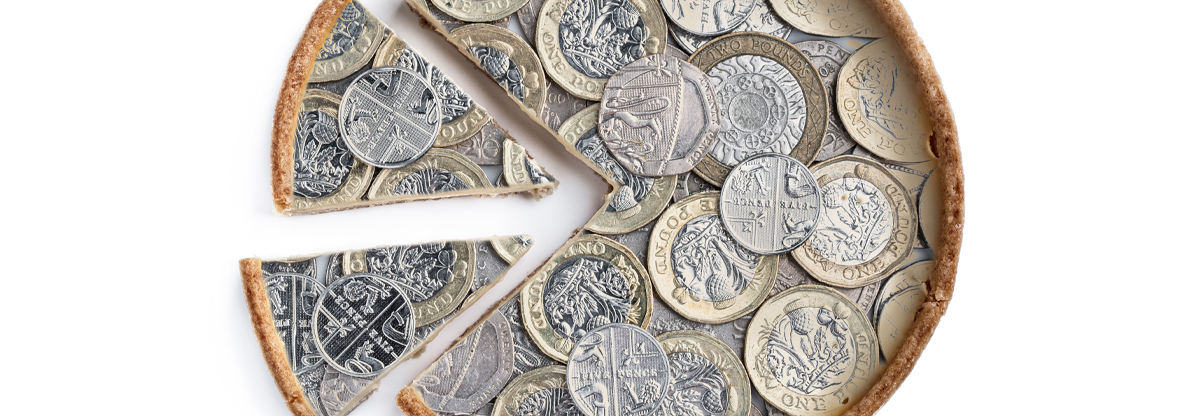
25/6/2025
Editorial
<p>One thing members often ask us to explain to them is what Pensionable Pay means, as defined in the Scheme Rules, and how it differs from another term they come across, Section Pay. </p><p>We frequently use both of these terms when we talk about the contributions you and your employer pay into your pension.</p><p>Explaining the difference between the two in laymen’s terms is not an easy job but we have had a go at breaking it all down below. </p><h3>Defining Pensionable Pay</h3><p>Pensionable Pay is the annual salary amount we use to calculate both your pension contributions and your pension benefits. </p><p>Depending on the policies of the employer you work for and the nature of your job, your annual salary may be made up of your basic salary plus overtime, bonus payments and other payments too. </p><p>However, not all of these parts of your overall salary may count towards your pension. For example, some employers may consider overtime pay as pensionable, but others may not. </p><p>By definition and in line with the Scheme Rules, your Pensionable Pay is the part of your salary that your employer decides will count towards your pension. It is the amount on 1 April every year and remains fixed until the following April. This may be capped in some sections. More on this is available in your member guide. You can find it when you <a href="/my-rps">log into your myRPS account</a>.</p><p>Your Pensionable Pay may not be equal to your total annual salary that your receive. Please speak to your employer to understand which part of your annual salary counts towards your pension and is therefore classed as pensionable. </p><h3>Defining Section Pay </h3><p>The contributions you and your employer pay in to your pension are worked out based on a set percentage of your Section Pay. This may also be capped in some sections. </p><p><strong>Your Section Pay is your Pensionable Pay less 1.5 times the basic State Pension</strong></p><p>For most of the Railways Pension Scheme sections, a value of 1.5 times the <a id="_anchor_5" href="https://railpen-my.sharepoint.com/personal/jenny_prodanova_railpen_com/Documents/0.Personal/2025/Blogs/Pensionable%20pay%20vs%20section%20pay/Pensionable%20pay%20vs%20section%20pay%20blog_v5HP%20-%20Copy.docx#_msocom_5" name="_msoanchor_5" data-sf-ec-immutable=""></a>Basic State Pension is taken away (or ‘offset’) from your Pensionable Pay (the amount your employer confirms is pensionable at 1 April each year). <a href="/my-rps">Check your member guide</a> to see if this calculation is applicable to you. </p><p>The amount of the Basic State Pension is set by the government. It can change and usually goes up every year. </p><p>The amount left (your Section Pay) is used to work out how much you and your employer should pay into your RPS pension each pay period. Give our <a href="https://member.railwayspensions.co.uk/knowledge-hub/news-and-views/blog/rps-blog/2025/06/18/understanding-your-db-contributions" data-sf-ec-immutable="" data-sf-marked="">Understanding your Defined Benefit contributions blog</a> a read to understand more about your pension contributions. <strong></strong></p><p>Your Section Pay will never be less than half of your Pensionable Pay.</p><p>Here's an example of how Section Pay is calculated in the Scheme:<br></p><p><img src="https://cdn3.railpen.com/mp-sitefinity-prod/images/default-source/news-images-(2023-on)/example-of-how-section-pay-is-calculated-720px---v2.png?sfvrsn=d0d2b986_1" width="700" alt=""></p>
A short overview of two terms we commonly use when it comes to your RPS pension.
/how-contributions-are-calculated-for-dc.jpg?sfvrsn=cd53e87c_1)
18/6/2025
Editorial
<p>In general, as a member of the Industry-Wide Defined Contribution (IWDC) Section, the amount you and your employer pay in (contribute) depends on:</p><ul><li>Your Pensionable Pay </li><li>The contribution percentage rates set by your employer </li></ul><p>For example:</p><p><img alt="An example of IWDC contribution rates and what they are based on" src="https://cdn3.railpen.com/mp-sitefinity-prod/images/default-source/infographics-(current)/dc-contributions-table.png?sfvrsn=42fe4991_1"></p><div><div><div id="_com_1"><p><strong>You can find more information, including the definition of Pensionable Pay and your current contribution percentage rates, in your Key Features leaflet and Member Guide. </strong><strong>These are available in the 'My Library' area when you log into <a href="/login">your myRPS account</a>. </strong><br></p><p>You can also check with your employer to understand which part of your annual salary counts towards your Pensionable Pay and what your set contribution rates are. <br></p><p>You may be able to see your pension contribution amount on your payslips. <br></p><h4><strong>How your contributions are paid in: </strong><br></h4><p>Your pension contributions are taken from your gross pay, which is your pay before any income tax is taken from you.</p><p>You get tax relief on your contributions (up to certain limits), so this means that some of the money that would normally have gone to the government in tax, effectively goes towards your pension instead. <br></p><p>Many employers also operate a salary sacrifice arrangement for pension contributions, also known as SMART. Under this your National Insurance contributions go down, but your normal pension contributions don’t change. It means that:<br></p><ul type="disc"><li>your employer pays your pension contributions on your behalf</li><li>your contractual pay is adjusted to reflect this change</li><li>you and your employer pay National Insurance contributions on a lower salary </li><li>your take-home pay goes up, because you are paying lower National Insurance contributions<br></li></ul><p>If you’re unsure whether you pay your pension contributions via salary sacrifice, please check with your employer. </p><h4><strong>When your contributions change</strong></h4><p>The amounts that you and your employer pay in will change if your Pensionable Pay changes. They may also change at other times, for example as a result of:<br></p><ul type="disc"><li>a change in personal circumstances, such as taking statutory maternity, paternity or adoption leave</li><li>a change in working hours e.g. moving to part-time hours<br></li></ul><p>You can read more about this on the <a href="/iwdc-members/Im-still-working/changes-to-circumstances">‘change in circumstances’ page</a> and in your Member Guide. <br></p><p>Your employer may also change the contribution percentage rates in the future, but they would consult with you first. <br></p><h4><strong>What happens to your contributions</strong><br></h4><p>The money you and your employer pay into your pension pot is invested in a range of funds, with the aim of helping it grow over time. <br></p><p>The value of your pot when you decide to take it largely depends on:</p><ul type="square"><li>how much you and your employer have paid in. <a href="/iwdc-members/Im-still-working/my-payments"><strong>Visit the my payments page for details.</strong></a> </li><li>how long you have saved for</li><li>how well your chosen investment funds have performed (unless you have chosen a Lifestyle strategy) after any costs have been deducted. <a href="/iwdc-members/managing-investments/investing--the-basics-i-need-to-know"><strong>Visit the investing: the basics I need to know page for details.</strong></a></li><li><span style="background-color: rgba(0, 0, 0, 0); color: inherit; font-family: inherit; text-align: inherit; text-transform: inherit; word-spacing: normal; caret-color: auto; white-space: inherit; font-size: inherit">any fees or deductions, </span> <a style="font-family: inherit; text-align: inherit; text-transform: inherit; word-spacing: normal; white-space: inherit; font-size: inherit" href="/iwdc-members/managing-investments/fund-choices"><strong>You can find details of any fees or charges that may be applied within the factsheets on the my fund choices page</strong></a><span style="background-color: rgba(0, 0, 0, 0); color: inherit; font-family: inherit; text-align: inherit; text-transform: inherit; word-spacing: normal; caret-color: auto; white-space: inherit; font-size: inherit"></span></li></ul><p>That’s why it’s so important for you to fully understand your options and how saving in a Defined Contributions (DC) scheme works. <br></p><h4><strong>Ways of saving more</strong><br></h4><p>You can choose to pay in more to ‘top-up’ your pension pot if you wish. <a href="/iwdc-members/Im-still-working/saving-more">This is known as making Additional Voluntary Contributions (AVCs)</a>. <br></p><p>You can decide to make AVCs regularly, or as one-off payments, and it’s entirely up to you how much you want to contribute and where you want to invest them. Like your main IWDC pension contributions, AVCs are usually taken from your pay before any income tax, so you benefit from tax relief there too (up to certain limits). <br></p><p>AVCs are a great way to save particularly if you:<br></p><ul><li>have earnings, such as bonuses or overtime if they are not part of your Pensionable Pay</li><li>are thinking about taking your pension pot early</li><li>simply want to save a bit more towards your life after work<br></li></ul><p>If you are interested in paying AVCs please speak to your employer who will start the process for you.</p></div></div></div>
Do you know what gets paid into your pension pot?
/how-contributions-are-calculated-for-db.jpg?sfvrsn=f9c39f62_1)
18/6/2025
Editorial
<p><span style="background-color: rgba(0, 0, 0, 0); color: inherit; font-family: inherit; font-size: inherit; text-align: inherit; text-transform: inherit; word-spacing: normal; caret-color: auto; white-space: inherit">In general, as a defined benefit (DB) member, the amount you pay in (contribute) depends on:</span></p><ul><li>The category of member you are </li><li>Your Pensionable Pay – this is your Pay at 1 April every year. This may be capped in some sections.</li><li>Your Section Pay – this is your Pensionable Pay minus 1.5 times the Basic State Pension. This may also be capped in some sections. </li><li>The contribution percentage rates for your Section, as set out in the Scheme rules. For some sections, Section Pay must be at least 50% or 55% of Pensionable Pay. </li></ul><p><strong>Please remember that rules vary between Sections and you should check your Member Guide for further details of what determines your contribution rate. </strong></p><p><strong>Contribution rates can also change for a number of reasons, for example as a result of the Actuarial Valuation, which is carried out every 3 years. You can find more details on why contributions change below. </strong><br></p><p>What sets a workplace pension apart from a personal pension and other savings options is that your employer normally contributes as well. How much your employer pays into the RPS depends on the same factors as your contribution amount outlined above.<span style="background-color: rgba(0, 0, 0, 0); color: inherit; font-family: inherit; font-size: inherit; text-align: inherit; text-transform: inherit; word-spacing: normal; caret-color: auto; white-space: inherit"> </span></p><p>For example: </p><p><img src="https://cdn3.railpen.com/mp-sitefinity-prod/images/default-source/infographics-(current)/db-contributions-table.png?sfvrsn=da463ccc_1" alt="An example of DB contribution rates and what they are based on"></p><p><strong style="background-color: rgba(0, 0, 0, 0); color: inherit; font-size: inherit; text-align: inherit; text-transform: inherit; word-spacing: normal; caret-color: auto; white-space: inherit"></strong><strong style="background-color: rgba(0, 0, 0, 0); color: inherit; font-size: inherit; text-align: inherit; text-transform: inherit; word-spacing: normal; caret-color: auto; white-space: inherit">You can find out what percentage you pay into the Scheme in your Member Guide. This is available in the 'My Library' area when you log into <a href="/login">your myRPS account</a>.</strong><br></p><p>You may also be able see your pension contributions on your payslip. <br></p><h4>How your contributions are paid:<strong> </strong><br></h4><p>Your pension contributions are taken from your gross pay, so they are not subject to Income Tax. This means you are getting tax relief on your contributions (up to certain limits) so that some of the money that would normally have gone to the government in tax, effectively goes towards your pension instead<br></p><p>Many employers also operate a salary sacrifice scheme for pension contributions, also known as SMART. It means that: <br></p><ul type="disc"><li>your employer pays your pension contributions on your behalf</li><li>your contractual pay is adjusted to reflect this change </li><li>you and your employer pay National Insurance on a lower salary<br></li></ul><p>If you’re unsure whether you pay your pension contributions via salary sacrifice please check with your employer. <br></p><p>You can also find more information in your Member Guide. <br></p><h4>When your contributions change<br></h4><p>The % rate of contributions can go up or down, to meet the cost of paying current and future benefits from the Section. <br></p><p>Generally, the rate is reviewed every 3 years and agreed between the Trustee, the employer and an external adviser known as the Scheme Actuary. <br></p><p>The contributions you pay are then fixed from July each year, using your Pensionable Pay at 1 April<br></p><p>They may change at other times, for example as a result of:<br></p><ul type="disc"><li>a change in personal circumstances, such as taking statutory maternity, paternity or adoption leave</li><li>a change in working hours e.g. moving to part-time hours<br></li></ul><p>You can read more about this on the <a href="/defined-benefit-members/im-still-working/changes-to-circumstances">change in circumstances page</a> and in your Member Guide. <br></p><h4>Ways of saving more<br></h4><p>You can choose to pay in more to ‘top-up’ your main pension savings if you wish. This is known as making Additional Voluntary Contributions (AVCs). <br></p><p>These are held separately from your main Scheme benefits and are invested in a fund, or range of funds, with the aim of growing your AVC pot over time. <br></p><p>Like your main Scheme contributions outlined above, AVCs are usually taken from your pay before tax, so you benefit from tax relief there too. <br></p><p>The main AVC arrangement in the RPS is called BRASS, which you can incorporate with your main Scheme benefits when you take them. If you reach the limit you can pay into BRASS, you may be able to apply for another arrangement, called AVC Extra. <br></p><p>You can find out more about both options in the <a href="/defined-benefit-members/saving-more-BRASS-AVC-Extra">saving more area</a> of the website. <br></p><p>You can put as much money as you want into your pension but there are certain limits which can affect the amount of tax relief you're allowed. If you exceed these limits, you may have to pay a tax charge. Visit the<a href="/pension-essentials/pension-tax-limits"> </a><a href="https://member.railwayspensions.co.uk/pension-essentials/pension-tax-limits" data-sf-ec-immutable="">pension tax limits page</a> to find out more. </p>
Do you know how much you contribute to your pension, or how it’s paid into the RPS?
Read the latest updates from the world of pensions and see how they affect you as a member of the Scheme.
We provide regular newsletters to help you navigate your pension whether you're paying into the Scheme, not paying in anymore, or receiving your pension.
Register with Platform today to have your say in how we communicate with you and other members about your pension.

Railways Pensions is powered by Railpen Limited
© Railpen Limited 2010-2026. Registered Office: 7 Devonshire Square, London, EC2M 4YH
Each of Railpen Limited (registered in England and Wales No. 2315380) and Railway Pension Investments Limited (RPIL) (Registered in England and Wales No. 1491097) is a wholly owned subsidiary of Railways Pension Trustee Company Limited (Registered in England and Wales No. 2934539). Registered office for each company: 7 Devonshire Square, London, EC2M 4YH. RPIL is authorised and regulated by the Financial Conduct Authority for some of its activities. The administration of occupational pension schemes is not a regulated activity. Full details about the extent of RPIL's authorisation and regulation by the Financial Conduct Authority are available from us on request.

